
Description
-
What Is Pump-and-Dump Scheme Recovery?
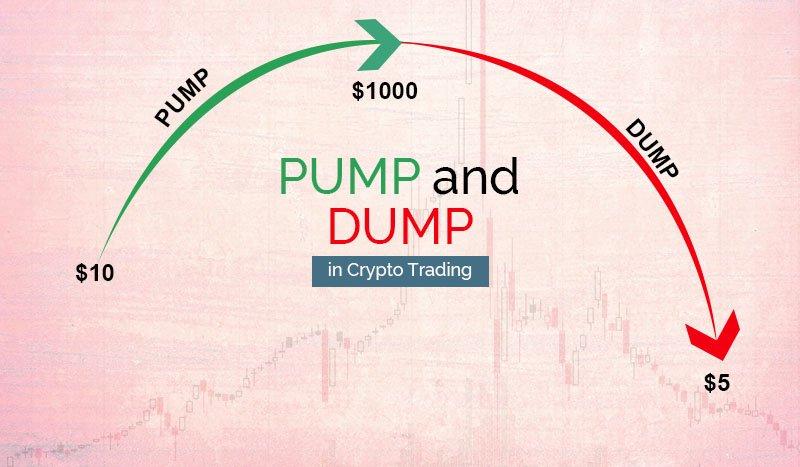
Pump-and-dump scheme recovery refers to the investigation and tracing of cryptocurrency losses associated with a coordinated scheme in which promoters create artificial excitement around a token, encourage people to purchase it, and then sell or otherwise profit after the price has been pushed upward.
In a typical pump-and-dump scheme recovery case, the victim may initially believe they have discovered an early investment opportunity. The token may appear to be trending rapidly, community members may post screenshots of profits, and promoters may claim that a major exchange listing or other announcement is imminent.
The excitement can be amplified through Telegram, Discord, X, private messaging groups, influencers, promotional websites, or other online communities.
When enough buyers enter the market, the individuals controlling significant token positions may sell their holdings. The resulting selling pressure can cause the token price to collapse, leaving later buyers with substantial losses.
The U.S. Securities and Exchange Commission’s Investor.gov explains that fraudsters can promote crypto assets, including memecoins, through social media or presales and then sell after the price has been driven upward.
A professional pump-and-dump scheme recovery investigation therefore begins by determining whether the loss appears to be an ordinary investment loss, a market manipulation event, a deceptive token promotion, or a broader cryptocurrency fraud.
The distinction matters because not every cryptocurrency loss qualifies as a recoverable scam.
How a Crypto Pump-and-Dump Scheme Works
Understanding how these schemes operate is an important part of pump-and-dump scheme recovery.
Although individual schemes can differ considerably, many follow a recognizable pattern.
1. Token Creation or Selection
A promoter or group may create a new cryptocurrency token or select an existing token with limited liquidity.
The objective can be to create an environment where relatively small amounts of buying activity produce significant price movements.
Low-liquidity tokens can be particularly vulnerable to sharp price changes because relatively small transactions may have a greater impact on the market.
2. Building Artificial Hype
The promoters then begin creating attention.
They may use:
- Telegram groups
- Discord communities
- X posts
- Influencer promotions
- YouTube videos
- Private investment groups
- Fake testimonials
- Fake partnerships
- Fake exchange-listing claims
- Presale announcements
- Limited-time investment opportunities
- Claims of exclusive insider information
A pump-and-dump scheme recovery investigation examines these promotional activities because they can help establish how the victim was persuaded to participate.
Investor.gov warns investors to be cautious about unsolicited investment promotions and information distributed through social media.
3. The Pump
As more people purchase the token, demand can increase.
Promoters may encourage members of a group to buy simultaneously or create the impression that the token is about to experience an enormous price increase.
Messages may include statements such as:
- “Buy before the announcement.”
- “Exchange listing coming soon.”
- “Whales are entering.”
- “This token is going 100x.”
- “Only a few spots remain.”
- “Do not sell yet.”
- “The next pump starts tonight.”
These messages can create fear of missing out and encourage victims to purchase quickly.
A pump-and-dump scheme recovery investigation can examine communications, wallet movements, token contracts, transaction timing, and promotional activity to determine whether the activity appears coordinated.
4. The Dump
After sufficient buying pressure has developed, early holders or organizers may sell.
This is the “dump” portion of the scheme.
Once large quantities of tokens are sold, the price can fall rapidly.
Investors who purchased during the promotional phase may be unable to exit without accepting substantial losses.
The SEC describes this basic mechanism as promoters increasing demand or hype and then selling their own holdings at the inflated price.
When Does a Pump-and-Dump Become a Recovery Investigation?
Not every token that loses 90% of its value is automatically a scam.
Cryptocurrency markets are highly volatile, and legitimate projects can experience extreme price movements.
That is why pump-and-dump scheme recovery requires evidence rather than simply assuming that every failed investment was fraudulent.
Potential indicators worth investigating include:
- Coordinated promotional messages
- False claims about partnerships
- Fake exchange listings
- Fake celebrity endorsements
- Misleading token information
- Artificial trading activity
- Concentrated insider wallet ownership
- Suspicious liquidity movements
- Large transfers immediately before a price collapse
- Wallets connected to promoters
- Sudden movement of proceeds after the collapse
- Fake investment dashboards
- Requests to send cryptocurrency directly to personal wallets
- Additional demands for taxes or withdrawal fees
A pump-and-dump scheme recovery investigation can help organize these indicators into a documented timeline.
Telegram and Discord Pump Groups
Telegram and Discord are frequently used to organize online communities around cryptocurrency projects.
A legitimate cryptocurrency community is not automatically fraudulent simply because it operates on Telegram or Discord.
However, these platforms can also be used to distribute misleading investment information.
For pump-and-dump scheme recovery, preserve the relevant communications whenever possible.
Useful evidence may include:
- Group names
- Usernames
- Administrator accounts
- Invitation links
- Messages
- Voice-chat information
- Screenshots
- Token addresses
- Promotional links
- Payment instructions
- Dates and times
- Wallet addresses
- Transaction hashes
Do not delete the conversation simply because the group appears suspicious.
Preserving evidence can make a pump-and-dump scheme recovery investigation more useful.
Fake Token and Honeypot Situations
Some cryptocurrency scams go beyond a traditional pump-and-dump.
A victim may be encouraged to purchase a token that contains restrictive smart-contract functionality.
For example, a token may appear to be tradeable while certain wallet addresses are prevented from selling.
Other schemes may involve:
- Excessive transaction taxes
- Hidden transfer restrictions
- Blacklisting functions
- Malicious approvals
- Fake decentralized exchanges
- Fake presales
- Liquidity manipulation
- Wallet-draining contracts
These situations may require a different type of pump-and-dump scheme recovery investigation.
Instead of examining only the market price, an investigator may need to analyze the smart contract and the victim’s interaction with it.
Pump-and-Dump vs. Ordinary Trading Loss
This distinction is extremely important.
A cryptocurrency investor can lose money because a token simply performs badly.
That does not automatically establish fraud.
A pump-and-dump scheme recovery investigation should therefore distinguish between:
Ordinary Market Loss
The investor purchased an asset, its value declined, and there is no evidence that the investor was deliberately deceived.
Potential Manipulation or Fraud
There may be evidence that individuals deliberately promoted misleading information, coordinated transactions, concealed ownership, manipulated liquidity, or used deceptive methods to attract buyers.
The SEC specifically describes pump-and-dump activity as involving misleading promotion followed by selling by those who benefited from the increased price.
The purpose of pump-and-dump scheme recovery is not to guarantee that a market loss can be reversed. It is to investigate the circumstances surrounding the loss and determine what blockchain and documentary evidence may exist.
How Pump-and-Dump Scheme Recovery Investigations Work
A professional pump-and-dump scheme recovery process generally begins with evidence collection.
Step 1: Case Evaluation
The first stage is understanding what happened.
You may be asked for information such as:
- Transaction hashes
- Wallet addresses
- Token contract addresses
- Network used
- Date of purchase
- Amount transferred
- Amount lost
- Exchange information
- Screenshots
- Telegram or Discord messages
- Website addresses
- Social media profiles
- Payment records
You should never provide your private key or seed phrase to anyone claiming to perform pump-and-dump scheme recovery.
A legitimate investigation should not require you to surrender control of your wallet.
You can begin with a formal case evaluation or case consultation.
Step 2: Transaction Identification
The investigator identifies the relevant blockchain transactions.
This can include:
- Initial deposits
- Token purchases
- Token swaps
- Transfers between wallets
- Contract interactions
- Exchange deposits
- Bridge transactions
- Stablecoin transfers
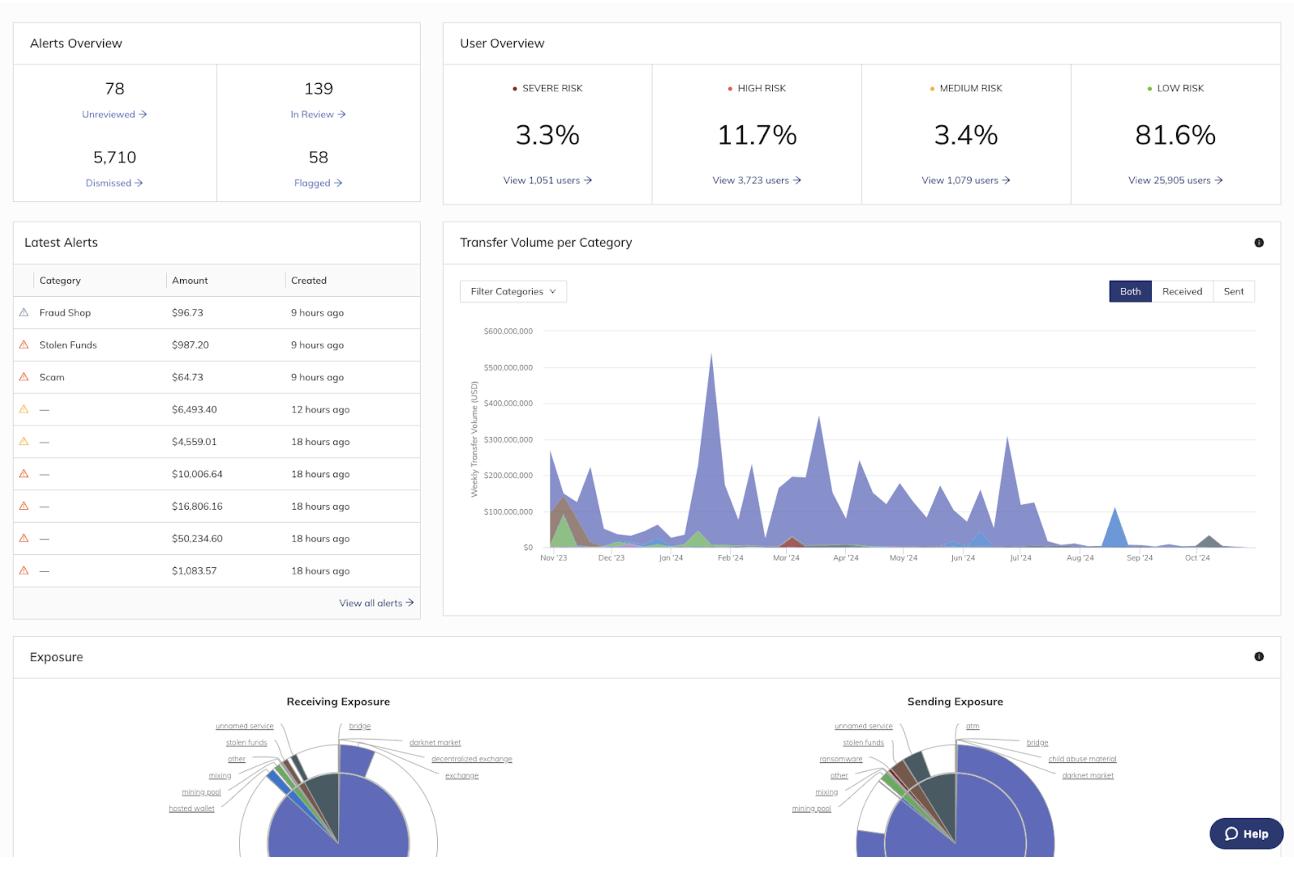
Blockchain transaction records can provide an important starting point for pump-and-dump scheme recovery.
The FTC notes that blockchain transactions can contain information such as wallet addresses, transaction amounts, and transaction relationships, although identifying the real-world person behind a wallet can require additional information.
Step 3: Wallet Analysis
Wallet analysis can help identify relationships between addresses.
For example, investigators may examine whether funds moved:
Victim Wallet → Token Contract → Recipient Wallet → Secondary Wallet → Exchange
or:
Victim Wallet → DEX → Wallet Cluster → Stablecoin Conversion → Exchange
These transaction pathways may provide useful leads.
However, a wallet address alone does not necessarily establish the identity of its owner.
This is an important limitation of pump-and-dump scheme recovery.
Step 4: Token and Contract Investigation
If a smart contract was involved, the investigation may examine:
- Contract ownership
- Token creation
- Minting activity
- Transfers
- Liquidity pools
- Administrative functions
- Trading restrictions
- Suspicious wallet concentrations
- Contract interactions
This can help determine whether the token’s technical behavior is consistent with the victim’s account.
Step 5: Exchange Exposure Analysis
If stolen or disputed funds eventually reach a centralized exchange, the exchange may become an important investigative lead.
Potential destinations may include:
Binance, Coinbase, Kraken, or other cryptocurrency platforms.
An exchange deposit address does not automatically identify the person who controls an account.
However, identifying a transaction’s destination can provide useful information for a broader pump-and-dump scheme recovery investigation.
Where appropriate, victims may also need to communicate with the relevant exchange’s official compliance or fraud-reporting department.
Step 6: Cross-Chain Tracing
Modern cryptocurrency scams may involve several networks.
Funds may move from one blockchain to another through:
- Bridges
- Swaps
- Centralized exchanges
- Wrapped assets
- Stablecoins
- DeFi protocols
Cross-chain analysis may therefore be relevant to pump-and-dump scheme recovery when the funds do not remain on their original network.
What Evidence Should You Preserve?
Good documentation can significantly improve the quality of a pump-and-dump scheme recovery investigation.
Preserve:
Blockchain Evidence
- Transaction hashes
- Wallet addresses
- Token contract addresses
- Network names
- Block numbers
- Transaction dates
Communication Evidence
- Telegram messages
- Discord messages
- X posts
- Emails
- Direct messages
- Group invitations
Financial Evidence
- Exchange records
- Bank statements
- Payment receipts
- Purchase confirmations
- Deposit records
Promotional Evidence
- Token websites
- Whitepapers
- Advertisements
- Influencer posts
- Claimed partnerships
- Claimed exchange listings
Technical Evidence
- Screenshots
- Wallet activity
- Contract interaction records
- Error messages
- Token balances
Do not alter screenshots if you can preserve the original files.
A strong pump-and-dump scheme recovery case file should ideally maintain a chronological record of what happened.
What to Do Immediately After a Pump-and-Dump Scam
If you believe you have been targeted, avoid sending additional money.
This is especially important when the people behind the scheme claim that you must pay additional funds to recover your original investment.
Regulators warn that fraudsters may demand additional costs, taxes, or fees while falsely claiming that payment will release or recover funds.
For pump-and-dump scheme recovery, consider these immediate steps:
- Stop communicating with the suspected scammers.
- Do not send additional cryptocurrency.
- Preserve messages and screenshots.
- Record all transaction hashes.
- Secure your remaining assets.
- Change compromised passwords.
- Review wallet approvals where appropriate.
- Contact relevant legitimate platforms through official channels.
- Consider reporting the fraud to appropriate authorities.
- Obtain a professional investigation if the circumstances warrant it.
Do not allow a second scammer to convince you that another payment is required for guaranteed pump-and-dump scheme recovery.
Beware of Fake Recovery Services
Unfortunately, victims of cryptocurrency scams can become targets again.
A person may contact you claiming:
“We already found your money.”
or:
“Your funds are frozen and we can release them.”
or:
“Pay this tax and your cryptocurrency will be returned.”
These claims should be treated cautiously.
The FTC warns that cryptocurrency scammers may make promises of guaranteed profits and may use additional payment demands as part of fraudulent schemes.
A genuine pump-and-dump scheme recovery investigation cannot honestly guarantee that funds will be recovered.
Blockchain tracing can identify movements and relationships, but tracing does not automatically mean that cryptocurrency can be returned.
Our Pump-and-Dump Scheme Recovery Approach
Our approach to pump-and-dump scheme recovery is evidence-driven.
The investigation may involve:
Blockchain Forensics
We examine publicly available blockchain information to reconstruct relevant transaction pathways.
Our blockchain forensic investigation service can be relevant when a case requires broader transaction analysis.
Crypto Asset Tracing
Where funds have moved through multiple wallets, crypto asset tracing services can help organize the transaction history.
Scam Investigation
If the incident involves a broader fraudulent operation, our scam recovery service can be considered as part of the investigative process.
Investment Scam Investigation
For cases involving deceptive investment platforms, promotional groups, or fake investment opportunities, fake crypto investment recovery may be relevant.
DeFi Investigation
If the token transaction involved a decentralized finance protocol or smart contract, a DeFi exploit investigation may be relevant.
The objective of pump-and-dump scheme recovery is to establish what happened, follow the available evidence, and identify practical next steps.
Case Study: Company-Provided Example
The source material for this service includes a case example involving an individual who reportedly lost approximately $8,000 after participating in a cryptocurrency promotion.
According to the company-provided example, blockchain analysis was used to examine the transaction pathway, and approximately $6,400 was reportedly recovered.
This example is presented as a company-provided case study and should not be interpreted as a guarantee of similar results.
Every pump-and-dump scheme recovery case is different.
The outcome can depend on:
- How quickly the case is reported
- Whether the funds remain traceable
- Whether funds were transferred through multiple networks
- Whether they reached a centralized exchange
- Whether identifying information can be obtained
- Whether the assets remain available
- The quality of the evidence
- The jurisdiction involved
- The cooperation of relevant organizations
For these reasons, no responsible pump-and-dump scheme recovery provider should promise a specific recovery amount or guaranteed result before investigating the facts.
How Long Does Pump-and-Dump Scheme Recovery Take?
There is no universal timeline.
A straightforward blockchain investigation may be completed more quickly than a complicated case involving multiple wallets, blockchains, exchanges, and unidentified entities.
The time required for pump-and-dump scheme recovery may depend on:
- Number of transactions
- Number of wallets
- Number of networks
- Complexity of token contracts
- Availability of evidence
- Exchange involvement
- Cross-border issues
- Need for additional documentation
An initial evaluation can help determine the complexity of the case.
Can Cryptocurrency From a Pump-and-Dump Scheme Be Recovered?
Sometimes there may be investigative or recovery opportunities, but recovery is never guaranteed.
This is one of the most important principles of pump-and-dump scheme recovery.
Blockchain transactions are generally designed to be recorded permanently. If cryptocurrency has already been transferred to another wallet, there is not necessarily a simple “reverse transaction” button.
Tracing can show where assets moved.
It does not automatically provide the legal authority or technical ability to retrieve them.
If funds reach an identifiable exchange, there may be additional investigative or reporting options, depending on the circumstances.
If the funds move through multiple anonymous wallets, mixers, bridges, or other services, the investigation can become more difficult.
Therefore, pump-and-dump scheme recovery should always be approached as an investigation rather than a guaranteed refund process.
Why Early Action Matters
Time can matter in a cryptocurrency fraud investigation.
A scammer may move assets rapidly between wallets, exchanges, networks, or other services.
Early documentation can help preserve:
- Transaction evidence
- Communication records
- Wallet information
- Website information
- Social media evidence
- Token information
If you suspect you have been targeted, beginning pump-and-dump scheme recovery analysis early can help establish the transaction history before additional activity makes the case more complicated.
Do Not Share Your Seed Phrase or Private Key
This warning deserves special attention.
You should never give your seed phrase, private key, wallet password, or authentication credentials to someone claiming to provide pump-and-dump scheme recovery.
A legitimate investigation does not require ownership credentials to examine public blockchain transactions.
If someone asks for your seed phrase so they can “recover” cryptocurrency, treat that as a major warning sign.
You should retain control of your wallet.
Official Crypto Platforms and Resources
When investigating pump-and-dump scheme recovery, use only official websites when contacting exchanges or reviewing account information.
Useful official resources include:
These links are provided as official platform resources. They should not be interpreted as evidence that a particular exchange was involved in any specific scam.
Relevant Crypto Recovery Services
Depending on the circumstances, pump-and-dump scheme recovery may overlap with other investigative services.
You can review:
- Crypto Asset Tracing Services
- Blockchain Forensic Investigation
- Fake Crypto Investment Recovery
- Smart Contract Fraud Investigation
- DeFi Exploit Investigation
- Scam Recovery
You can also review our Success Stories and FAQ for additional information about the service.
Frequently Asked Questions About Pump-and-Dump Scheme Recovery
What is pump-and-dump scheme recovery?
Pump-and-dump scheme recovery is the investigation of cryptocurrency losses connected to suspected coordinated token promotion and selling activity. It can involve blockchain tracing, wallet analysis, token-contract investigation, evidence review, and exchange-destination analysis.
Can pump-and-dump scheme recovery guarantee my money back?
No. Pump-and-dump scheme recovery cannot responsibly guarantee that cryptocurrency will be recovered.
Tracing funds and recovering funds are different processes.
How much does the initial evaluation cost?
The service information provides a $99 case evaluation as the initial assessment.
The evaluation is intended to determine what evidence is available and whether further investigation may be appropriate.
What information do I need?
Useful information can include transaction hashes, wallet addresses, token contract addresses, screenshots, communications, exchange records, and information about the people or platforms involved.
Do I need to provide my seed phrase?
No.
You should never provide your seed phrase or private key for pump-and-dump scheme recovery.
Can you trace cryptocurrency across multiple blockchains?
Depending on the available evidence and the networks involved, cross-chain transaction analysis may be possible.
However, technical limitations and privacy-enhancing services can make tracing more difficult.
Can you identify the person behind a wallet?
A blockchain address does not automatically reveal the real-world identity of its owner.
Pump-and-dump scheme recovery may identify transaction relationships or an exchange destination, but additional information may be necessary to establish identity.
What if the scammer asks me for another payment?
Do not automatically pay.
Additional payment demands are a known feature of many investment and cryptocurrency scams. Regulators specifically warn about demands for fees or taxes supposedly required to release or recover funds.
Can you reverse a blockchain transaction?
Blockchain transactions generally cannot simply be reversed by clicking a button.
Pump-and-dump scheme recovery focuses on investigation, tracing, evidence development, and identifying possible avenues for further action.
Should I contact my exchange?
If your cryptocurrency passed through a legitimate exchange, contacting the exchange through its official support or compliance channels may be appropriate.
Do not use contact information supplied by the suspected scammer.
Is every token crash a pump-and-dump?
No.
A token can lose value because of ordinary market conditions, poor project performance, liquidity problems, or other factors.
A pump-and-dump scheme recovery investigation requires evidence suggesting deception or coordinated manipulation rather than assuming fraud solely because the price collapsed.
Start Your Pump-and-Dump Scheme Recovery Investigation
If you believe you lost cryptocurrency through a coordinated token promotion, do not send additional funds to the people who originally contacted you.
Preserve your evidence.
Record the transaction hashes.
Save the communications.
Document the token address.
Secure your remaining cryptocurrency.
Then consider whether a professional pump-and-dump scheme recovery investigation is appropriate.
You can begin through our Case Evaluation page or Case Consultation page.
You can also learn more about our approach through the Crypto Reverse Transaction homepage, About Us, Terms & Conditions, Privacy Policy, and Disclaimer.
The goal of pump-and-dump scheme recovery is not to make unrealistic promises. It is to examine the available evidence, reconstruct the movement of cryptocurrency, identify relevant transaction relationships, and determine what practical investigative options may exist.
If your cryptocurrency loss involved Telegram, Discord, a fake token, a misleading investment promotion, manipulated liquidity, or suspicious wallet activity, documenting the incident carefully is an important first step.
Pump-and-dump scheme recovery starts with evidence.
Important Recovery Disclaimer
Pump-and-dump scheme recovery does not guarantee the recovery of cryptocurrency or fiat currency. Blockchain tracing can identify transaction movements and potential relationships, but tracing does not automatically establish ownership or guarantee that funds can be returned.
Results vary according to the facts of each case, the blockchain networks involved, the movement of the assets, available evidence, exchange involvement, jurisdiction, and other circumstances.
Never provide your seed phrase, private key, wallet password, or authentication credentials to a recovery provide


Reviews
There are no reviews yet.