Description
Non-Spendable Crypto Recovery for Bitcoin, USDT & Ether
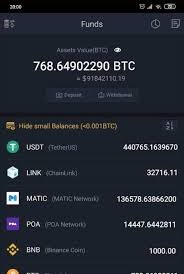
Seeing cryptocurrency in your wallet does not always mean that the funds can immediately be transferred or spent.
You may see the correct balance, have access to your wallet, and still receive an error every time you attempt to send or swap your crypto.
This is where non-spendable crypto recovery can become relevant.
Our service focuses on identifying why cryptocurrency appears in a wallet but cannot be transferred, exchanged, or otherwise used. Depending on the situation, the underlying issue may involve network fees, a pending transaction, nonce configuration, wallet software, token approvals, smart-contract restrictions, network selection, or another technical problem.
The first step is not to guess.
The first step is to determine why the cryptocurrency cannot be moved.
Our team can review the information surrounding your wallet and transaction and help determine whether the problem appears technically resolvable.
If your issue is related to a broader crypto theft or scam, you can also review our crypto recovery services to identify the appropriate type of investigation.
What Is Non-Spendable Crypto?
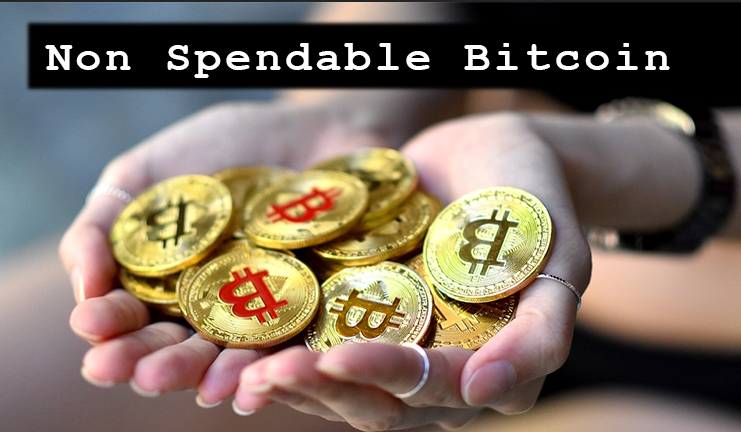
Non-spendable crypto refers to cryptocurrency that appears in a wallet but cannot currently be sent, transferred, swapped, or otherwise used.
For example, you may open your wallet and see:
- $5,000 in USDT
- 2 ETH
- 0.5 BTC
- BNB or another native cryptocurrency
- Tokens held inside a smart-contract wallet
Yet when you attempt to transfer the funds, the transaction fails or remains pending.
This does not automatically mean that the cryptocurrency has disappeared.
In many cases, the visible balance and the ability to transfer that balance are two different issues.
For example, an ERC-20 token may appear in an Ethereum wallet while the wallet has insufficient ETH to pay the network fee required to move that token. Ethereum’s official documentation explains that transactions require gas and that Ethereum gas fees are paid in ETH.
That is why proper diagnosis is important before assuming that your cryptocurrency is permanently lost.
Common Causes of Non-Spendable Crypto
There are several reasons why cryptocurrency can appear in a wallet but remain difficult or impossible to transfer.
1. Insufficient Gas Fees
One of the most common situations involves having a token but not enough of the blockchain’s native asset to pay transaction fees.
For example, you may have USDT on Ethereum but no ETH available to pay the Ethereum transaction fee.
Similarly, tokens on another network may require the network’s native asset for transaction processing.
Ethereum’s official documentation confirms that Ethereum transactions require gas and that gas fees are paid in ETH.
Our non-spendable crypto recovery assessment can help determine whether insufficient network fees are responsible for the problem.
2. Stuck or Pending Transactions
A previous transaction may remain pending and interfere with subsequent activity depending on the blockchain and wallet configuration.
This can make it appear as though your cryptocurrency is locked even though the underlying assets remain associated with your wallet.
For Bitcoin, transaction-fee management can include mechanisms such as Replace-by-Fee (RBF) for eligible transactions. Bitcoin Core documents opt-in RBF as a mechanism that allows certain unconfirmed transactions to be replaced with a higher-fee transaction.
The correct approach depends on the transaction, wallet, network conditions, and whether the transaction is actually replaceable.
3. Nonce Problems
Ethereum transactions use a sequential nonce associated with an account.
If a transaction is pending or improperly configured, subsequent transactions can encounter problems because Ethereum uses the account’s transaction nonce as part of transaction processing.
A nonce-related issue may therefore make a wallet appear unable to send additional transactions.
A transaction history review can help determine whether a nonce or pending-transaction problem is involved.
4. Token Approval Problems
Some tokens and decentralized applications require users to approve a smart contract before tokens can be moved or used.
If an approval transaction is unsuccessful, incomplete, outdated, or otherwise problematic, it may prevent the intended operation from completing.
This is particularly relevant when the issue occurs while attempting to:
- Swap tokens
- Interact with a DeFi application
- Deposit tokens
- Withdraw tokens
- Use a decentralized exchange
- Interact with a smart contract
The exact cause must be determined from the wallet and transaction data rather than assumed.
5. Smart-Contract Wallet Restrictions
Smart-contract wallets can have additional rules that do not apply to a basic externally owned account.
Depending on the wallet design, transactions may require:
- Multiple approvals
- Specific signer permissions
- Contract-specific conditions
- Correct network configuration
- Sufficient gas
- Proper contract interaction
If your balance is visible but the wallet refuses to execute a transaction, the smart-contract configuration may need to be examined.
6. Wallet Software or Synchronization Problems
Sometimes the blockchain itself is not the problem.
The wallet application may display incorrect information, fail to synchronize properly, use an unsuitable RPC endpoint, or encounter another software-related issue.
In these situations, the cryptocurrency may still exist on-chain even though the wallet interface is not behaving correctly.
That distinction is important.
A wallet application is an interface for interacting with blockchain networks. The visible balance should therefore be evaluated alongside the underlying blockchain records.
7. Frozen USDT or Other Issuer-Controlled Tokens
Certain stablecoins can have issuer-level controls that affect specific addresses.
For example, Tether’s documentation describes circumstances under which addresses can be subject to restrictions or freezes.
Therefore, if USDT appears in a wallet but cannot be moved, it is important to determine whether the issue is:
- A lack of network gas
- A wallet problem
- A transaction problem
- A smart-contract issue
- An issuer-level restriction
- Or another technical condition
Do not assume that every frozen-looking USDT balance has the same cause.
8. RPC or Network Configuration Problems
Wallets frequently connect to blockchain networks through RPC infrastructure.
If your wallet is connected to an incorrect, unavailable, or malfunctioning RPC endpoint, the application may display errors or fail to communicate correctly with the blockchain.
Network configuration should therefore be checked when a wallet appears to have cryptocurrency but cannot complete transactions.
9. Wrong Network Selection
Another common source of confusion is sending or interacting with an asset on the wrong network.
A token may exist on several networks, but the network selected in your wallet or exchange must correspond with the transaction you are attempting to perform.
Before attempting another transaction, the network should be verified carefully.
Can Non-Spendable Crypto Be Recovered?
In many cases, cryptocurrency that appears to be non-spendable may become transferable after the underlying technical issue is identified and properly addressed.
However, non-spendable crypto recovery is not a guarantee that every case can be resolved.
The outcome depends on the actual cause.
For example, a wallet containing tokens but lacking the required native gas currency may simply need the appropriate network fee.
A pending Bitcoin transaction may require analysis of its transaction status and fee conditions.
An Ethereum wallet may require investigation of nonce or transaction-state issues.
A smart-contract wallet may require examination of its permissions and transaction requirements.
A token subject to an issuer restriction may require a completely different type of investigation.
This is why our process begins with diagnosis rather than promising a particular outcome before the facts are known.
What Our Non-Spendable Crypto Recovery Service Can Investigate
Our assessment can help investigate problems involving:
- Bitcoin
- Ethereum
- USDT
- Ether
- Other supported tokens
- Stuck transactions
- Pending transactions
- Insufficient gas
- Nonce problems
- Token approval problems
- Locked wallet situations
- Smart-contract wallet restrictions
- Wallet synchronization problems
- RPC configuration issues
- Network selection problems
- Certain frozen-token situations
If your situation is related to a scam, theft, phishing attack, wallet drainer, investment fraud, or another form of cryptocurrency loss, you may also need a dedicated investigation rather than a technical non-spendable-crypto diagnosis.
You can review our case consultation service to provide additional information about your situation.
How Our Non-Spendable Crypto Recovery Process Works
Step 1: Initial Assessment
The first step is to understand exactly what is happening.
You can provide information such as:
- Your wallet type
- The cryptocurrency involved
- The blockchain network
- Your public wallet address
- Transaction hash, if available
- Error message
- Screenshot of the problem
- Approximate amount involved
- What you were attempting to do
Never send your seed phrase, private key, password, recovery phrase, or other secret authentication information.
A legitimate technical assessment should not require you to publicly disclose your private wallet credentials.
You can also review our disclaimer before proceeding.
Step 2: $99 Case Evaluation
If the initial information indicates that a detailed investigation is appropriate, you can proceed with the $99 case evaluation.
The evaluation may involve reviewing:
- Transaction history
- Wallet configuration
- Network selection
- Pending transactions
- Gas availability
- Nonce status
- Token information
- Contract interactions
- Relevant blockchain records
The objective is to identify the technical reason behind the problem.
Step 3: Resolution Plan
Once the problem has been identified, the next step is to determine the appropriate resolution.
Depending on the case, the solution may involve a relatively simple wallet or network correction.
Other situations may require more detailed technical assistance.
You will be informed about the identified issue and the recommended next steps before proceeding with additional work.
Step 4: Restoring Access to Spendable Funds
Where the issue is technically resolvable, the objective is to restore the wallet’s ability to properly transact with the affected cryptocurrency.
Once the underlying problem has been addressed, you should be able to use the cryptocurrency according to the rules of the relevant blockchain, wallet, token, or smart contract.
The exact outcome varies from case to case.
Example: USDT That Could Not Be Sent
Consider a situation in which a wallet displays $25,000 in USDT, but every attempt to transfer the tokens fails.
At first glance, the wallet may appear to contain sufficient funds.
However, if the USDT is held on Ethereum and the wallet has insufficient ETH to pay the transaction’s gas fee, the USDT itself cannot be used to pay that Ethereum network fee.
Ethereum’s documentation confirms that Ethereum gas fees are paid in ETH and that transactions involving more complex operations can require more gas.
In a case like this, the problem may not be that the $25,000 in USDT has disappeared.
The problem may simply be that the wallet lacks the required native asset to execute the transaction.
This illustrates why non-spendable crypto recovery starts with technical diagnosis.
Why Choose Crypto Reverse Transaction?
Technical-Focused Investigation
We focus on identifying the underlying reason why cryptocurrency cannot be transferred or used rather than immediately assuming that the funds are permanently lost.
Public Blockchain Information
Blockchain transactions are recorded on public networks. Transaction hashes and public wallet addresses can therefore provide useful information during an investigation.
No Private Keys Required
You should never need to provide your private keys or seed phrase for an initial technical assessment.
Step-by-Step Assistance
Once the issue is identified, the recommended resolution can be explained according to the specific circumstances of the wallet and blockchain.
$99 Case Evaluation
The detailed evaluation is structured around a $99 case assessment before additional recovery work is considered.
Remote Assistance
Where appropriate, technical assistance can be provided remotely without requiring physical access to your device or wallet.
When You Should Request Non-Spendable Crypto Recovery
Consider requesting an assessment if:
- Your wallet shows cryptocurrency but you cannot send it.
- A transaction has remained pending.
- You receive repeated transaction errors.
- Your token balance is visible but cannot be transferred.
- You have tokens but insufficient native gas.
- You are experiencing nonce-related errors.
- A token approval is preventing a swap or transfer.
- Your smart-contract wallet is rejecting transactions.
- Your wallet appears out of sync.
- Your wallet is connected to the wrong network.
- You suspect an issuer-related restriction.
- You are unsure why your cryptocurrency cannot be spent.
The earlier the technical cause is identified, the easier it may be to determine what options are available.
Non-Spendable Crypto Recovery vs. Lost Crypto
It is important to distinguish between cryptocurrency that is non-spendable and cryptocurrency that is actually lost or stolen.
Non-spendable crypto may still be visible in the correct wallet address but be blocked by a technical condition.
Lost crypto may involve:
- Forgotten private keys
- Lost seed phrases
- Incorrect wallet information
- Damaged wallet access
- Deleted wallet credentials
Stolen cryptocurrency involves a different category of investigation.
For stolen assets, transaction tracing and blockchain forensic analysis may be more appropriate. You can learn more about our forensic services or submit information through our case evaluation page.
Protect Yourself While Investigating Non-Spendable Crypto
When you are unable to move cryptocurrency, be careful about anyone claiming that they can instantly unlock your wallet.
Never provide:
- Seed phrases
- Private keys
- Wallet passwords
- Two-factor authentication codes
- Exchange login credentials
- Recovery codes
A person who obtains your private key or seed phrase may be able to control the associated assets.
Also be cautious about anyone requesting an unexplained “unlocking fee,” “tax,” “activation payment,” or “verification deposit” before allowing you to access your own cryptocurrency.
If you believe you have already been targeted by a cryptocurrency scam, our success stories and FAQ can provide additional information about the type of assistance available.
Frequently Asked Questions
How long does non-spendable crypto recovery take?
The time depends on the cause of the problem.
Some technical issues can be identified quickly, while more complicated wallet, transaction, or blockchain investigations can require additional analysis.
Our initial objective is to identify the cause before recommending a resolution.
What information do I need for an evaluation?
Useful information can include:
- Public wallet address
- Cryptocurrency involved
- Blockchain network
- Transaction hash
- Error message
- Screenshots
- Description of what happened
Do not provide your private key or seed phrase.
Do I need to give you my private key?
No.
Never send your private key, seed phrase, recovery phrase, wallet password, or other secret credentials as part of an initial technical assessment.
A public wallet address and transaction hash are generally much safer information to provide for blockchain transaction analysis.
Can you fix a stuck Bitcoin transaction?
Some stuck Bitcoin transactions may have fee-management options depending on the transaction’s characteristics.
Bitcoin Core documents opt-in Replace-by-Fee, which allows eligible unconfirmed transactions to be replaced with a higher-fee transaction. CPFP can also be used in certain circumstances.
However, the correct method depends on the specific transaction and wallet.
What if I have USDT but no gas?
If your USDT is on a network that requires a native asset to pay transaction fees, the wallet may need a sufficient balance of that native asset before the USDT can be transferred.
For example, Ethereum transactions require gas paid in ETH.
The correct network should always be confirmed before obtaining or transferring additional funds.
Can you recover frozen USDT?
That depends on why the USDT is frozen.
If the problem is caused by a wallet or transaction issue, the resolution may be different from a token-level restriction imposed by an issuer.
The specific address and transaction history need to be examined before determining what options may exist.
Is the $99 case evaluation refundable?
Your current service offer states that the $99 evaluation is refundable when the issue cannot be resolved. The exact terms should be reviewed under the applicable refund policy.
Can non-spendable crypto always be recovered?
No recovery service should guarantee that every cryptocurrency problem can be resolved.
Some issues may be technically fixable, while others may involve irreversible blockchain transactions, inaccessible credentials, issuer restrictions, or other circumstances outside the service provider’s control.
The purpose of the evaluation is to determine what happened and what options, if any, are available.
Start Your Non-Spendable Crypto Recovery Case
If cryptocurrency is visible in your wallet but you cannot send, swap, or spend it, do not immediately assume that the funds are gone.
The first step is to identify the technical reason.
Our non-spendable crypto recovery service provides an assessment of problems involving stuck transactions, insufficient gas, nonce issues, token approvals, wallet configuration, network selection, and other potential barriers to cryptocurrency transactions.
Start your $99 case evaluation today through our Case Evaluation page.
You can also contact Crypto Reverse Transaction if you need assistance determining which service applies to your situation.
Outbound Authority Resources
For additional technical and educational information, consult reputable primary sources:
- Ethereum — Gas and Fees — Official explanation of Ethereum gas and transaction fees.
- Ethereum — Transactions — Official documentation covering Ethereum transactions, nonces, gas limits, and transaction processing.
- Bitcoin Core — Opt-in RBF FAQ — Official Bitcoin Core documentation explaining Replace-by-Fee and CPFP.
- Bitcoin Core — bumpfee — Official documentation for increasing the fee of eligible Bitcoin transactions.
Reviews
There are no reviews yet.