
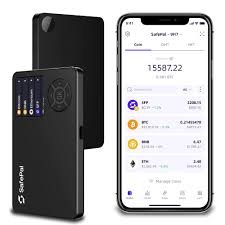

Description
Hardware Wallet Recovery – Professional Recovery Assistance for Lost, Damaged, or Inaccessible Crypto Wallets
Hardware wallet recovery can become necessary when a cryptocurrency owner loses access to a hardware wallet, damages the device, forgets a PIN, encounters firmware problems, loses access to wallet software, or discovers that the wallet is no longer functioning as expected.
Hardware wallets are designed to provide strong protection for cryptocurrency credentials, but even secure devices can become inaccessible because of physical damage, user error, forgotten information, software problems, or unexpected technical issues.
Our hardware wallet recovery service is designed to assess legitimate wallet-access situations and determine what recovery options may realistically exist based on the available device, wallet information, backup information, technical evidence, and blockchain records.
The first principle of responsible cryptocurrency recovery is simple: never assume that inaccessible means permanently lost, but never assume that recovery is guaranteed either.
Every case is different.
Some situations involve a lost physical device while the wallet backup remains available. Other cases involve a damaged device, a forgotten PIN, an incomplete backup, corrupted firmware, or uncertainty about which wallet or account contains the assets.
There are also cases where the hardware wallet itself is functioning normally but cryptocurrency has been transferred without authorization. Those cases may require blockchain investigation and asset tracing rather than ordinary device recovery.
Our goal is to distinguish these situations and identify the appropriate recovery or investigative pathway.
What Is Hardware Wallet Recovery?
Hardware wallet recovery refers to legitimate processes used to restore or investigate access to cryptocurrency associated with a hardware wallet.
A hardware wallet does not normally contain cryptocurrency in the same way that cash is stored inside a physical wallet. Cryptocurrency balances are recorded on blockchain networks, while the hardware device protects the credentials used to authorize transactions.
This distinction is extremely important.
If a hardware wallet is lost but a valid wallet backup remains available, the loss of the physical device does not necessarily mean that the cryptocurrency is lost.
Trezor explains that a wallet backup contains the information required to recover access to a wallet and that a valid backup can allow access to be restored after a device is lost or damaged.
Ledger similarly explains that its Secret Recovery Phrase serves as a backup for wallet access and can be used to restore the wallet when the original hardware device is unavailable.
However, recovery becomes more complicated when the necessary backup information is missing, incomplete, corrupted, or inaccessible.
That is where a structured hardware wallet recovery assessment can help determine what information exists and what options should be considered.
Who May Need Hardware Wallet Recovery?
This service may be relevant to cryptocurrency owners experiencing situations such as:
- Lost hardware wallets
- Damaged hardware wallets
- Broken screens or buttons
- Devices that will not power on
- Hardware wallets that are not recognized
- Forgotten PINs
- Reset devices
- Firmware-related problems
- Wallet application problems
- Missing wallet backups
- Incomplete recovery information
- Confusion between multiple wallets
- Inaccessible cryptocurrency accounts
- Suspected unauthorized transactions
- Cryptocurrency transferred from a hardware wallet without authorization
- Difficulty identifying the correct wallet or blockchain account
The correct solution depends on the specific circumstances.
For example, someone who simply lost a device but still possesses a valid backup may need wallet restoration rather than complicated forensic investigation.
On the other hand, someone who still has their device but discovers unauthorized cryptocurrency transfers may need blockchain transaction analysis.
That distinction is central to responsible hardware wallet recovery.
Hardware Wallet Recovery for Ledger
Ledger is one of the most recognized hardware-wallet brands in the cryptocurrency industry.
Ledger’s documentation explains that the Secret Recovery Phrase is a backup mechanism for the wallet and that anyone who gains access to the recovery phrase may be able to access the associated cryptocurrency.
This means the recovery phrase must be treated as extremely sensitive information.
If you are experiencing a Ledger-related recovery problem, the appropriate assessment may involve determining:
- Which Ledger model was used
- Whether the device still powers on
- Whether the device is recognized
- Whether the PIN is known
- Whether the recovery information exists
- Whether the recovery information is complete
- Which accounts were previously used
- Which blockchain networks were involved
- Whether transactions occurred without authorization
- Whether the original device has been modified or damaged
Do not send your complete recovery phrase to someone simply because they claim to be a recovery expert.
Your recovery phrase is not ordinary customer-support information.
Ledger’s own educational resources explain that the recovery phrase can provide access to the associated crypto assets.
If you need assistance determining what type of problem you have, begin with our Case Evaluation rather than immediately sending sensitive wallet credentials to an unknown person.
Hardware Wallet Recovery for Trezor
Trezor uses the term wallet backup for the information that can restore access to a wallet.
Trezor explains that its wallet backup can contain 12, 20, or 24 words depending on the backup standard and device configuration.
Trezor also states that users should never share their wallet backup and should not create digital copies such as screenshots, photographs, emails, or cloud-storage copies.
This is an important consideration when seeking hardware wallet recovery.
A legitimate recovery assessment should focus on understanding the problem without unnecessarily exposing the credentials that protect the wallet.
If a person claiming to be a recovery specialist immediately asks you to send your complete wallet backup, private keys, or PIN, stop and independently verify the service before providing anything.
For Trezor-specific recovery instructions, consult the manufacturer’s official resources through Trezor’s wallet recovery documentation.
Hardware Wallet Recovery for Lost Devices
Losing a hardware wallet can be frightening, particularly when the device controls a significant amount of cryptocurrency.
However, the physical device and the blockchain assets should be considered separately.
If the appropriate wallet backup remains securely available, a compatible replacement device may potentially restore access to the existing wallet.
Trezor’s documentation specifically explains that a valid wallet backup can be used to restore access when a device is lost, damaged, or reset.
Ledger likewise describes its recovery phrase as a backup that can restore wallet access if the hardware wallet becomes unavailable.
Therefore, when evaluating hardware wallet recovery, one of the first questions should be:
Do you still have the legitimate wallet backup associated with the device?
If yes, the situation may be significantly different from a case where the device and its recovery information are both missing.
Hardware Wallet Recovery for Damaged Devices
Physical damage can occur in many ways.
A hardware wallet may be:
- Dropped
- Water damaged
- Physically crushed
- Exposed to extreme conditions
- Affected by connector damage
- Unable to power on
- Experiencing screen problems
- Experiencing button problems
- Experiencing firmware problems
The correct response depends on the type and extent of the damage.
Avoid opening, modifying, flashing, or repairing a device without understanding the potential consequences.
If the wallet backup remains available, restoring the wallet using an appropriate replacement device may be preferable to attempting unnecessary physical repairs.
For more complex situations, a professional hardware wallet recovery assessment can help determine whether the problem is primarily related to the device, the wallet backup, wallet software, or blockchain access.
Hardware Wallet Recovery When You Forgot Your PIN
Forgetting a hardware wallet PIN does not automatically mean that the cryptocurrency is gone.
The recovery procedure depends on the manufacturer and model.
For example, Trezor’s official documentation explains that a forgotten PIN may require the device to be factory reset before restoring an existing wallet using its wallet backup.
This demonstrates why users should not randomly follow instructions found on social media or unknown websites.
Before resetting a device, make sure you understand what information is required to restore the wallet.
A reset without the necessary backup information could create a much more serious problem.
If you are uncertain about your situation, consider obtaining an assessment before performing irreversible actions.
Hardware Wallet Recovery When the Wallet Backup Is Missing
One of the most difficult scenarios involves losing both the hardware wallet and the information needed to restore it.
A wallet backup is critical because it can contain the information required to regenerate access to the wallet.
Trezor explains that without a valid wallet backup, access cannot be restored after the hardware wallet is lost or damaged.
Ledger likewise emphasizes the importance of protecting the Secret Recovery Phrase because it functions as the backup to the wallet.
However, not every inaccessible-wallet situation is identical.
There may be additional technical information, devices, records, wallet configurations, or transaction evidence that needs to be examined before determining whether a case has any realistic recovery pathway.
That is why our approach begins with assessment rather than an automatic promise.
You can use our Case Evaluation service to provide information about your circumstances before deciding what should happen next.
Hardware Wallet Recovery vs. Stolen Cryptocurrency Recovery
It is important to distinguish wallet access problems from cryptocurrency theft.
Imagine that you lose your hardware wallet but still have your valid backup.
That is primarily an access-recovery situation.
Now imagine that you still have the hardware wallet but discover that Bitcoin has been transferred to an address you do not recognize.
That is a completely different problem.
The second situation may involve:
- Blockchain transaction analysis
- Address tracing
- Evidence preservation
- Exchange identification
- Scam investigation
- Reporting
- Lawful recovery options
For these situations, our Crypto Asset Tracing Services can be relevant.
You can also learn about our Blockchain Forensic Investigation service if the case requires deeper transaction analysis.
A hardware wallet recovery service should never imply that simply accessing the physical device will automatically reverse a completed cryptocurrency transaction.
What Information May Be Needed for Hardware Wallet Recovery?
Every case is different, but useful information may include:
- Hardware wallet manufacturer
- Hardware wallet model
- Approximate purchase date
- Description of the problem
- Whether the device powers on
- Whether the device is recognized
- Whether the PIN is known
- Whether a wallet backup exists
- Whether the wallet backup is complete
- Wallet addresses
- Transaction hashes
- Blockchain networks involved
- Screenshots
- Exchange records
- Emails
- Chat messages
- Payment receipts
- Relevant websites
- Scam communications
- Dates and times of important events
Providing this information can help establish the difference between a device-access problem and a potential cryptocurrency theft case.
The FBI also advises cryptocurrency fraud victims to preserve transaction information such as wallet addresses, amounts, transaction dates, transaction IDs, communication platforms, websites, and identifying information about suspected criminals when reporting fraud.
Never send sensitive wallet credentials simply because someone requests them.
Why You Should Never Share Your Seed Phrase
Your seed phrase, recovery phrase, or wallet backup can be extremely powerful.
Trezor explicitly states that a wallet backup provides full access to the associated wallet and warns users never to share it.
Ledger similarly warns that anyone with access to the recovery information may be able to access the associated crypto assets.
Therefore, a professional recovery assessment should not begin by asking you to surrender control of your wallet.
Be especially cautious if someone says:
“Send me your seed phrase and I will recover your Bitcoin.”
That is not a safe basis for a recovery service.
Instead, provide non-sensitive information about the problem and allow the circumstances to be assessed.
Warning Signs of a Fake Hardware Wallet Recovery Service
Unfortunately, cryptocurrency recovery has become an area where scammers can target people who have already experienced a loss.
The Federal Trade Commission warns that recovery scammers often target people who have previously lost money and promise to recover it in exchange for additional payment or personal information.
The FBI has also warned about cryptocurrency recovery fraud and specifically described fraudulent recovery companies that claim to trace and recover cryptocurrency while charging victims upfront fees.
Be cautious of any company that:
- Guarantees recovery before reviewing your case
- Promises to recover every cryptocurrency transaction
- Requests your complete seed phrase
- Requests your private keys
- Requests your wallet PIN
- Claims to have special control over a blockchain
- Claims to be able to reverse any Bitcoin transaction
- Demands cryptocurrency payments before explaining the service
- Uses fake law-enforcement credentials
- Claims to work directly with an exchange without verifiable evidence
- Pressures you to act immediately
- Requires unexplained “taxes” or “release fees”
- Continually requests additional payments
The FBI specifically warns cryptocurrency victims to be wary of people claiming they can recover lost funds.
A Responsible Hardware Wallet Recovery Process
A legitimate hardware wallet recovery assessment should begin with understanding the circumstances.
Step 1: Identify the Hardware Wallet
The first step is determining the manufacturer and model.
Examples include:
- Ledger
- Trezor
- KeepKey
- SafePal
- OneKey
- Other compatible hardware-wallet systems
Different manufacturers use different recovery systems, backup standards, security mechanisms, and device architectures.
Step 2: Determine What Happened
The next step is documenting the problem.
Was the device:
- Lost?
- Stolen?
- Damaged?
- Reset?
- Locked?
- Forgotten?
- Malfunctioning?
- Not recognized?
- Associated with an unauthorized transaction?
The answer can dramatically change the appropriate recovery strategy.
Step 3: Determine What Information Remains
Next, establish whether you still have:
- Wallet backup
- Recovery phrase
- Device
- PIN
- Wallet addresses
- Transaction records
- Exchange records
- Other supporting documentation
Do not send private keys or complete recovery phrases to an unknown person.
Step 4: Determine Whether Cryptocurrency Was Moved
If the wallet was compromised, transaction analysis may be necessary.
This is where hardware wallet recovery can overlap with blockchain forensics and crypto asset tracing.
Our Crypto Recovery Services provide additional information about different cryptocurrency recovery situations.
Step 5: Evaluate Realistic Recovery Options
Not every case is recoverable.
A responsible assessment should explain the available evidence, technical limitations, and potential next steps rather than making unrealistic promises.
Hardware Wallet Recovery and Blockchain Evidence
Blockchain records can be useful when cryptocurrency has moved without authorization.
Depending on the blockchain involved, investigators may examine:
- Sending addresses
- Receiving addresses
- Transaction hashes
- Transaction timestamps
- Transaction amounts
- Token transfers
- Address relationships
- Exchange-related destinations
- Contract interactions
- Subsequent transactions
The purpose of this analysis is to reconstruct what happened and identify potential investigative leads.
For cases involving sophisticated transaction activity, our Blockchain Forensic Investigation service provides additional information about blockchain-based investigation.
If the case involves stolen Bitcoin specifically, you can also review Stolen Bitcoin Recovery.
Hardware Wallet Recovery for Cryptocurrency Scams
Hardware wallets can also become part of cryptocurrency scam investigations.
For example, a victim may have transferred cryptocurrency from a hardware wallet after being manipulated by:
- A fake investment platform
- A fake exchange
- A phishing website
- A fake customer-support representative
- A wallet-draining website
- A fraudulent DeFi platform
- A romance scam
- A social-media investment scam
In these situations, the physical hardware wallet may still function perfectly.
The actual problem may be that the victim was deceived into authorizing transactions.
If the incident involved a fraudulent investment platform, our Fake Crypto Investment Recovery service may be relevant.
For phishing-related incidents, see Crypto Phishing Recovery.
For wallet-draining incidents, see Wallet Drainer Recovery.
This illustrates why identifying the actual cause of the loss is so important.
Why Professional Assessment Matters
Searching online for hardware wallet recovery can produce thousands of results, but not every result represents a legitimate recovery service.
A professional assessment should separate:
Wallet restoration
from
Blockchain investigation
and:
Technical device problems
from
Unauthorized cryptocurrency transfers.
It should also distinguish:
Potentially recoverable information
from
information that has been permanently lost.
This approach avoids creating false expectations.
Our About Us page provides additional information about the company and its approach to cryptocurrency recovery matters.
Hardware Wallet Recovery Does Not Guarantee Cryptocurrency Recovery
It is important to understand the limitations of any recovery service.
No legitimate provider should guarantee that every hardware wallet can be recovered or that every stolen cryptocurrency transaction can be reversed.
The outcome can depend on:
- Availability of wallet backup information
- Condition of the hardware wallet
- Wallet architecture
- Type of cryptocurrency
- Blockchain involved
- Transaction history
- Whether the transaction was authorized
- Evidence available
- Whether assets reached a centralized exchange
- Whether relevant platforms can take action
- Applicable legal processes
The FBI has specifically noted that private-sector recovery companies cannot issue seizure orders to recover cryptocurrency and that exchanges may freeze accounts only through their own processes or legal processes.
This is why our service focuses on assessment, investigation, evidence, and realistic recovery pathways rather than guaranteed results.
What You Should Do If Your Hardware Wallet Is Inaccessible
If you currently cannot access your hardware wallet, avoid making rushed decisions.
First, stop and document the situation.
Write down the wallet manufacturer and model.
Record what happened.
Determine whether the device powers on.
Determine whether you still have the legitimate wallet backup.
Record relevant wallet addresses and transaction hashes if cryptocurrency appears to have moved.
Do not publish your recovery phrase online.
Do not send your private keys to someone who contacts you unexpectedly.
Do not install unknown wallet-recovery software.
Do not pay unexplained taxes, release fees, activation charges, or withdrawal fees.
Instead, gather the available evidence and request an assessment.
You can begin through our Case Evaluation page.
Related Crypto Recovery Services
Hardware-wallet problems can sometimes overlap with other cryptocurrency recovery situations.
Depending on what happened, you may also find these services relevant:
Crypto Asset Tracing Services – for tracing cryptocurrency transactions and investigating movement of digital assets.
Blockchain Forensic Investigation – for detailed blockchain transaction analysis.
Stolen Bitcoin Recovery – for cases involving suspected unauthorized Bitcoin transfers.
Crypto Phishing Recovery – for cryptocurrency losses associated with phishing attacks.
Fake Crypto Investment Recovery – for fraudulent investment-platform cases.
Wallet Drainer Recovery – for situations involving malicious wallet-draining activity.
Crypto Recovery Services – to explore the broader range of cryptocurrency investigation and recovery services.
Start Your Hardware Wallet Recovery Assessment
If you have lost access to a hardware wallet, do not assume that the cryptocurrency is automatically gone.
At the same time, do not assume that anyone promising recovery can actually restore your assets.
The most responsible first step is to understand exactly what happened.
Whether your device is lost, damaged, locked, reset, malfunctioning, or associated with suspicious transactions, the circumstances should be assessed individually.
Our hardware wallet recovery service is intended to help identify the nature of the problem, evaluate the available evidence, and determine whether there is a legitimate recovery or investigative pathway.
Start by completing our Case Evaluation or learn more about Crypto Reverse Transaction.
For questions about your case, you can also visit our Contact Us page.
Protect Your Wallet During the Recovery Process
While seeking hardware wallet recovery, remember that protecting your remaining information is just as important as investigating the original problem.
Never disclose your complete recovery phrase to someone merely because they claim to be a recovery professional.
Trezor states that its support team will never ask for a wallet backup and advises users never to enter the backup anywhere unless prompted by the physical device.
Ledger likewise emphasizes that the recovery phrase must be protected because it can provide access to the associated cryptocurrency.
Your recovery process should therefore protect your wallet credentials rather than create another security risk.
Frequently Asked Questions About Hardware Wallet Recovery
What is hardware wallet recovery?
Hardware wallet recovery is the process of restoring or investigating access to cryptocurrency associated with a hardware wallet that has become lost, damaged, locked, reset, or otherwise inaccessible.
The appropriate method depends on the wallet manufacturer, device, backup information, and circumstances.
Can a lost hardware wallet be recovered?
A lost physical device does not necessarily mean that the cryptocurrency is lost.
If a valid wallet backup remains available, the wallet may potentially be restored using a compatible device and the manufacturer’s recovery procedure. Trezor specifically documents restoring wallets from valid backups after device loss or damage.
Can a damaged Ledger be recovered?
Potentially, depending on the circumstances.
If the appropriate recovery information remains available, the wallet may be restorable on another compatible device. Ledger describes its recovery phrase as a backup mechanism for restoring wallet access.
Can a Trezor wallet be recovered after the device is damaged?
A valid Trezor wallet backup can be used to restore access to the wallet on a compatible Trezor device. Trezor provides official procedures for wallet recovery.
Should I give my seed phrase to a recovery expert?
No. Your seed phrase or wallet backup should be treated as highly sensitive information.
Trezor explicitly instructs users not to share their wallet backup.
Can hardware wallet recovery reverse a Bitcoin transaction?
Hardware wallet recovery and transaction reversal are different things.
Recovering access to a wallet does not automatically reverse a completed blockchain transaction. Cases involving unauthorized transfers may require blockchain investigation and asset tracing.
Is cryptocurrency recovery guaranteed?
No legitimate provider should guarantee recovery before assessing the circumstances.
The result depends on the technical situation, available information, blockchain records, and applicable recovery options.
What should I do if someone offers to recover my cryptocurrency for an upfront fee?
Be extremely cautious.
The FTC warns about recovery scams in which people who have already lost money are targeted with promises of recovering their funds in exchange for additional payment.
The FBI has also warned about cryptocurrency recovery fraud.
What evidence should I preserve?
Preserve wallet addresses, transaction hashes, transaction dates, screenshots, communications, websites, exchange information, receipts, and other relevant records.
The FBI recommends providing transaction and communication details when reporting cryptocurrency fraud.
Why Choose a Professional Hardware Wallet Recovery Assessment?
Cryptocurrency recovery requires more than simply searching for a lost device.
A proper assessment considers the relationship between the hardware wallet, wallet backup, private-key architecture, blockchain transactions, and available evidence.
Our approach is designed to determine:
- What happened
- What information remains available
- Whether the device is still usable
- Whether wallet restoration may be possible
- Whether cryptocurrency was transferred
- Whether blockchain tracing may be relevant
- What evidence should be preserved
- What realistic next steps may exist
No recovery outcome should be promised before the case is properly assessed.
If you are ready to discuss your situation, start with our Case Evaluation.
Official External Resources
For anyone researching hardware wallet recovery, it is important to verify technical information directly with the manufacturers and established government sources.
Ledger
Ledger – How to Keep Your Seed Phrase Secure explains why the recovery phrase must be protected and how it relates to wallet access.
Ledger – Recovery Sheet provides additional information about Ledger recovery information.
Trezor
Trezor – How to Use a Wallet Backup explains wallet backups and important security precautions.
Trezor – Understanding Wallet Backups explains different wallet-backup formats and their purpose.
FTC
FTC – Refund and Recovery Scams explains how recovery scams target people who have already experienced financial losses.
FBI
FBI – Cryptocurrency Recovery Fraud Investigation provides information about cryptocurrency recovery fraud and warns victims about fraudulent recovery services.



Reviews
There are no reviews yet.