Losing cryptocurrency on Binance Smart Chain can be extremely stressful. A victim may discover that BNB, a stablecoin, or another BEP-20 asset has disappeared from a wallet after interacting with a fraudulent website, signing a malicious transaction, approving a suspicious contract, falling victim to phishing, or becoming involved in a fraudulent token project.
If you are searching for BEP-20 token recovery, the first thing to understand is the difference between tracing stolen cryptocurrency and reversing a blockchain transaction.
A confirmed blockchain transaction generally cannot simply be cancelled or reversed. However, Binance Smart Chain transactions leave an on-chain record that can be examined. That record may provide evidence about where cryptocurrency moved after leaving the victim’s wallet.
Depending on the circumstances, blockchain analysis may help establish the original theft transaction, identify subsequent addresses, follow token movements, examine interactions with decentralized applications, and determine whether funds appear to have reached a recognizable cryptocurrency service.
That information can then support appropriate reporting and escalation.
At Crypto Reverse Transaction, our focus is on cryptocurrency tracing, blockchain investigation, digital-asset analysis, and evaluating potential recovery pathways based on available evidence.
If you have experienced a suspected BSC theft, you can provide your transaction information through our case consultation page.
The goal of this guide is to explain BEP-20 token recovery realistically and show victims what they should do after discovering that their Binance Smart Chain assets have been stolen.
What Is BEP-20 Token Recovery?
BEP-20 token recovery refers to the investigation and potential recovery process involving tokens transferred or stolen on the Binance Smart Chain ecosystem.
BEP-20 is a token standard used on BNB Smart Chain. It allows projects to create fungible tokens that can interact with wallets, decentralized applications, exchanges, liquidity pools, and other blockchain infrastructure.
Because transactions are recorded on-chain, investigators can examine the movement of supported assets.
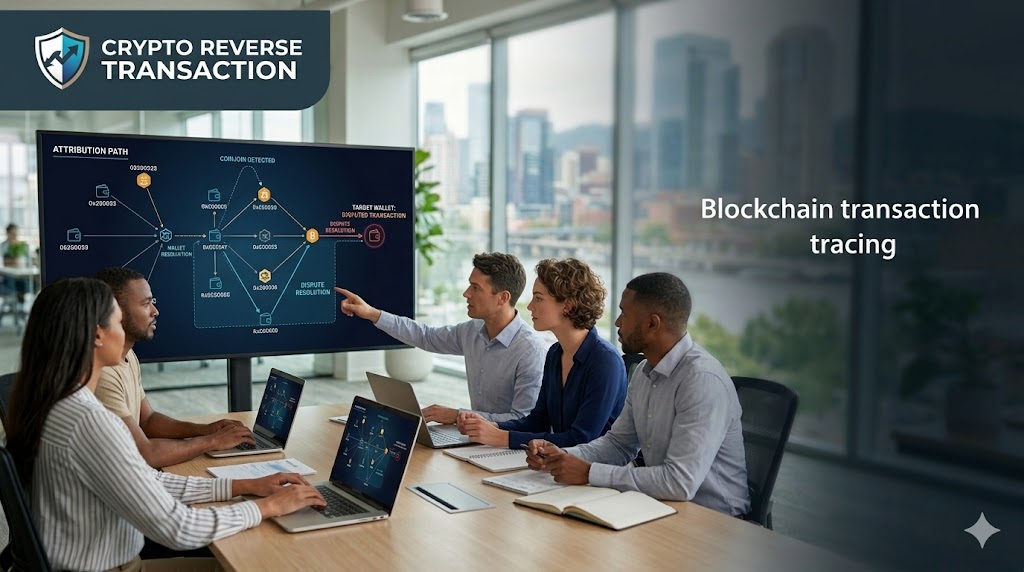
For example, a simplified investigation might look like this:
Victim Wallet → Unauthorized Transfer → Attacker Wallet → Secondary Wallet → Exchange-Associated Address
The blockchain can provide evidence for each transaction in that sequence.
However, BEP-20 token recovery does not mean that a transaction can automatically be reversed.
Instead, recovery may involve:
- Identifying the theft transaction,
- Preserving transaction evidence,
- Tracing subsequent asset movements,
- Examining related wallet activity,
- Identifying potential service exposure,
- Preparing an evidence package,
- Reporting the incident,
- Supporting appropriate escalation,
- Assessing whether recovery is realistically possible.
This distinction makes a BEP-20 token recovery investigation much more credible than simply promising that stolen tokens can always be returned.
Why Binance Smart Chain Transactions Can Be Investigated
One reason BEP-20 token recovery investigations can be useful is that blockchain transactions create a persistent record.
When tokens move between addresses, information about those movements is recorded on the blockchain.
A blockchain explorer such as BscScan can be used to inspect publicly available BNB Smart Chain transactions.
Depending on the transaction, available information may include:
- Sending address,
- Receiving address,
- Transaction hash,
- Block number,
- Token contract,
- Token amount,
- Transaction status,
- Gas information,
- Timestamp,
- Smart-contract interactions,
- Subsequent transactions.
This information can provide the foundation for BEP-20 token recovery analysis.
However, blockchain transparency does not mean that every wallet owner can automatically be identified.
A blockchain address is not necessarily a person’s name.
Additional information may be required to connect an address with a real-world individual or organization.
BEP-20 Recovery Is Not the Same as Reversing a Transaction
This is one of the most important concepts in BEP-20 token recovery.
Suppose you send 10 BNB to an attacker-controlled address and the transaction becomes confirmed.
The blockchain itself does not provide a normal “undo” button.
The victim cannot simply contact the blockchain and request that the transaction be cancelled.
Instead, the investigation focuses on what happened after the transaction.
For example:
Victim Address
↓
Unauthorized BNB Transfer
↓
Attacker Address
↓
Additional Wallets
↓
Token Swap
↓
Centralized Service
At each stage, investigators can examine the available transaction evidence.
If the assets eventually reach an identifiable service, that may create another avenue for reporting or escalation.
But any account action or asset return is ultimately controlled by the relevant service and, where applicable, authorized legal or law-enforcement processes.
Common Causes of BEP-20 Token Theft
Understanding how the loss occurred is an important part of BEP-20 token recovery.
Different attack methods produce different types of evidence.
1. Phishing Attacks
A victim may receive a fraudulent message containing a link to a fake cryptocurrency website.
The website may imitate:
- A wallet,
- An exchange,
- BscScan,
- A decentralized application,
- A token project,
- A customer-support page.
The victim may then connect their wallet or enter sensitive information.
If a seed phrase or private key is disclosed, the attacker may gain control of the associated assets.
2. Malicious Token Approvals
A malicious decentralized application may request permission to spend tokens.
A user may approve the transaction without understanding what it authorizes.
Depending on the token and permission structure, an attacker may later use the approval to transfer assets.
This is an important distinction in BEP-20 token recovery because the theft may not look like a conventional transaction initiated directly by the wallet owner.
The blockchain record may instead show a contract interaction followed by token transfers.
3. Wallet Drainer Attacks
Wallet drainers are designed to facilitate unauthorized asset transfers after a victim interacts with malicious infrastructure.
A fraudulent NFT mint, airdrop, presale, investment opportunity, or giveaway may be used to persuade victims to connect their wallets.
The victim may believe they are claiming an asset while actually authorizing a transaction that places their cryptocurrency at risk.
4. Fake Token Projects and Rug Pulls
Not every cryptocurrency loss on BNB Smart Chain is a conventional wallet theft.
Some involve fraudulent token projects.
A project may advertise a new token, attract liquidity and investors, and later remove liquidity or otherwise leave token holders unable to exit their positions.
This can create a difficult distinction between:
A stolen asset
and
An investment that lost value because the token project failed or was fraudulent.
A blockchain investigation can help establish what actually happened.
Understanding BSC Rug Pulls
A rug pull can involve a project team or insiders withdrawing liquidity or otherwise manipulating a token ecosystem in a way that causes severe losses to participants.
Victims sometimes search for BEP-20 token recovery after a token suddenly becomes worthless.
However, tracing the movement of liquidity is different from recovering a token’s market value.
An investigation may examine:
- Token contracts,
- Liquidity pools,
- Developer-controlled wallets,
- Liquidity-provider transactions,
- BNB movements,
- Stablecoin movements,
- Token transfers,
- Decentralized-exchange interactions.
The objective is to determine how the assets moved and whether there is evidence relevant to the suspected fraud.
What Is a BEP-20 Honeypot?
A honeypot token is a type of malicious or deceptive token arrangement in which users may be able to purchase the token but face restrictions or inability when attempting to sell.
The exact technical mechanism can vary.
Before purchasing unfamiliar BEP-20 tokens, users should examine the token contract and understand its trading characteristics.
If you believe you have encountered a fraudulent token, preserve the transaction history and contract address.
That information can be valuable in a BEP-20 token recovery or cryptocurrency fraud investigation.
Immediate Steps After Losing BEP-20 Tokens
If you discover that your BSC assets have been stolen, the first priority is not to confront the attacker.
Your first priority should be evidence preservation and damage containment.
Step 1: Stop Signing Suspicious Transactions
If the wallet remains connected to a suspicious website, disconnect it where appropriate.
Do not continue approving transactions simply because a website says they are necessary to recover your funds.
A scammer may attempt to convince victims that another transaction is required to unlock, verify, activate, or return the stolen cryptocurrency.
Be extremely cautious.
Step 2: Secure Remaining Assets
If your wallet still contains assets and you believe its security has been compromised, consider moving legitimate remaining funds to a newly created secure wallet.
If the seed phrase has been exposed, simply disconnecting a website may not be enough.
The compromised recovery phrase should be treated as unsafe.
Create a fresh wallet and protect its recovery credentials appropriately.
This is a security step—not the actual BEP-20 token recovery process.
Its purpose is to prevent additional losses.
Step 3: Locate the Transaction Hash
The transaction hash is one of the most important pieces of evidence in a BEP-20 token recovery investigation.
The hash can help locate the transaction on the BNB Smart Chain.
Write it down and save it somewhere secure.
Also record:
- Victim wallet address,
- Destination address,
- Token name,
- Token contract address,
- Amount,
- Date,
- Approximate time,
- Transaction hash,
- Relevant screenshots.
Do not rely solely on a screenshot.
Save the actual transaction hash whenever possible.
Step 4: Identify the Token Contract
A BEP-20 token can share a similar or identical name with another token.
This is why the token’s contract address can be more useful than the token’s name.
For example, instead of documenting only:
“I lost XYZ Token.”
Record:
“XYZ Token — [specific contract address].”
The contract address can help investigators distinguish the relevant token from unrelated assets with similar names.
Step 5: Preserve Communication Evidence
If the theft resulted from a scam, preserve the communication that led to the transaction.
This can include:
- Telegram messages,
- WhatsApp conversations,
- Emails,
- Social-media messages,
- Website URLs,
- Screenshots,
- Advertisements,
- Fake support conversations,
- Investment dashboards,
- Payment instructions.
This information can help establish the circumstances surrounding the blockchain transaction.
If the scam involved an impersonator, preserve the account name and profile information as well.
Step 6: Report the Theft
Victims should consider reporting cryptocurrency theft to the appropriate authorities.
For U.S. victims, the FBI’s Internet Crime Complaint Center provides a reporting channel for internet-related crime. The FBI advises victims to preserve and provide cryptocurrency transaction information, including wallet addresses, transaction hashes, amounts and dates.
Victims in other countries should also consider reporting the incident to their local police, cybercrime authority, financial-crime unit, or other appropriate government agency.
A professional BEP-20 token recovery investigation should complement proper reporting rather than replace it.
Step 7: Review Token Approvals
If the incident involved a malicious contract approval, review the wallet’s token permissions.
For supported networks, Revoke.cash can help users review and revoke certain token approvals.
Remember that revoking an approval is preventative.
It generally does not recover tokens that have already been transferred.
Therefore, if assets have already disappeared, preserve the transaction information before focusing entirely on approval cleanup.
How BSC Blockchain Tracing Works
A professional BEP-20 token recovery investigation can begin with the known victim address and theft transaction.
The investigator then follows the blockchain evidence.
Stage 1 — Identify the Original Transaction
The first objective is to confirm which transaction corresponds to the suspected theft.
Stage 2 — Identify the Destination
The next step is to determine which address received the assets.
Stage 3 — Follow Subsequent Movements
Investigators can examine transactions leaving that address.
Stage 4 — Identify Asset Changes
The stolen token may be swapped for another asset.
Stage 5 — Examine Cross-Chain Activity
The funds may move to another blockchain through supported infrastructure.
Stage 6 — Identify Potential Service Exposure
The assets may eventually reach an exchange or another recognizable service.
Stage 7 — Document the Findings
The transaction trail can be organized into a report that clearly distinguishes confirmed blockchain evidence from investigative conclusions.
Example of a BEP-20 Transaction Investigation
Imagine a victim loses 25,000 units of a BEP-20 stablecoin.
The first transaction shows:
Victim Wallet → Address A
Address A later sends the assets to:
Address B
Address B swaps part of the funds and sends another portion to:
Address C
Address C then transfers assets to an address associated with a centralized cryptocurrency service.
A blockchain investigator can document this sequence.
The investigator should not automatically state:
“We have identified the criminal.”
Instead, the evidence might support a more precise statement:
“The stolen assets were traced from the victim wallet through Addresses A, B and C before reaching an address associated with a centralized service.”
That distinction protects the integrity of the investigation.
What Happens When Stolen BSC Funds Reach an Exchange?
This is where many cryptocurrency recovery articles make unrealistic promises.
If blockchain analysis indicates that stolen BNB or BEP-20 tokens reached an exchange, that can be important evidence.
But the discovery does not automatically guarantee that the exchange will freeze an account or return funds.
A centralized exchange has its own internal procedures.
It may require:
- Transaction evidence,
- Police documentation,
- Official reports,
- Legal requests,
- Victim identification,
- Additional documentation.
The exchange determines what action it can take.
The FBI specifically warns that private recovery companies cannot issue seizure orders and that exchanges may freeze accounts through internal or legal processes.
Therefore, responsible BEP-20 token recovery focuses on documenting the evidence and supporting legitimate escalation—not promising that an account will automatically be frozen.
Binance and BNB Smart Chain
BNB Smart Chain is closely associated with the broader Binance ecosystem, but blockchain transactions and centralized exchange accounts are separate systems.
An on-chain address should not automatically be described as belonging to a particular Binance customer without appropriate evidence.
If an investigation identifies a potential Binance-related destination, the finding should be documented accurately.
For official Binance information, users can consult Binance directly rather than relying on links supplied by strangers.
This is particularly important after a scam because fraudsters sometimes impersonate exchange employees or customer-support agents.
Other Exchanges That May Appear in a BSC Investigation
BSC assets can potentially move through many different services.
Depending on the transaction trail, investigators may encounter exchanges such as:
The appearance of one of these services in a transaction trail does not by itself establish criminal ownership or guarantee recovery.
The finding needs to be investigated in context.
Why a Transaction Hash Is So Important
If you contact a blockchain investigator and say only:
“Someone stole my BNB.”
there may not be enough information to begin a precise investigation.
A transaction hash provides something concrete.
It allows the investigator to examine the specific blockchain event associated with the alleged theft.
For this reason, victims should make finding the TXID one of their earliest priorities.
If you have already identified the transaction, keep the original hash unchanged and provide it exactly as displayed.
What If You Don’t Know the Scammer’s Wallet Address?
You do not necessarily need to know the suspected scammer’s address before beginning an investigation.
If you know the victim wallet and the transaction in which the funds left it, the receiving address can often be identified from the transaction itself.
That receiving address can then become the next point of analysis.
This is one reason BEP-20 token recovery investigations can begin even when the victim has no idea who controls the destination wallet.
What If the Scammer Moves the Tokens Again?
Rapid movement does not automatically make the cryptocurrency untraceable.
Each subsequent confirmed transaction can potentially provide additional evidence.
For example:
Victim Wallet → Address A → Address B → Address C
The investigator can examine each stage.
The complexity increases when assets are fragmented, swapped, bridged, or transferred through privacy-enhancing infrastructure.
Nevertheless, the appropriate response is still to preserve the original evidence and analyze what can be established.
Cross-Chain Movement After a BSC Theft
Attackers do not necessarily keep stolen cryptocurrency on BNB Smart Chain.
They may attempt to move assets into another blockchain ecosystem.
A simplified example could look like:
BSC → Bridge → Ethereum → Token Swap → Exchange
Another possibility could be:
BSC → Stablecoin → Different Network → Multiple Wallets
Cross-chain movement can complicate BEP-20 token recovery, because the investigator may need to examine multiple blockchain ledgers and understand how the assets transitioned between ecosystems.
The existence of cross-chain movement should therefore be documented rather than treated as automatic proof that recovery is impossible.
The Difference Between Tracing and Recovery
This distinction should appear prominently throughout a professional BEP-20 token recovery page.
Tracing
Determines where the cryptocurrency moved.
Analysis
Examines transaction relationships and blockchain activity.
Attribution
Attempts to associate addresses with known entities when sufficient evidence exists.
Reporting
Organizes evidence into a clear investigative record.
Recovery
Concerns whether the assets can actually be returned through a legitimate mechanism.
These stages are related, but they are not interchangeable.
A company can successfully trace stolen tokens without being able to guarantee their return.
That is why responsible cryptocurrency recovery services should clearly explain their limitations.
What Crypto Reverse Transaction Can Investigate
At Crypto Reverse Transaction, a BSC case can be evaluated using the information available from the incident.
Relevant information may include:
- BSC wallet addresses,
- Transaction hashes,
- BEP-20 contract addresses,
- Token amounts,
- Transaction dates,
- Destination addresses,
- Subsequent transactions,
- Cross-chain movements,
- Relevant exchange exposure,
- Scam communications,
- Screenshots,
- Supporting documentation.
The purpose is to establish a factual transaction history and determine whether meaningful investigative pathways exist.
If you want to submit information for review, use the case consultation page.
You can also learn more about the organization through About Us.
Protect Yourself From a Second Recovery Scam
Someone who has already lost cryptocurrency can become an attractive target for another scam.
A person may contact you and claim:
“We have located your stolen BNB.”
They may then demand cryptocurrency for:
- Blockchain activation,
- Recovery certification,
- Government tax,
- AML clearance,
- Exchange release,
- Wallet unlocking,
- Gas fees,
- Legal processing.
The FBI has warned about fraudulent cryptocurrency recovery services and criminals who target previous victims with false promises of recovering their assets.
Before paying anyone, independently verify the company and carefully examine what the service actually provides.
Never give your seed phrase or private key to someone claiming to perform BEP-20 token recovery.
What a Legitimate Recovery Investigation Should Not Promise
Be cautious if a company guarantees:
- 100% recovery,
- An 85% success rate,
- Guaranteed exchange freezing,
- Guaranteed identification of the scammer,
- Guaranteed law-enforcement action,
- Guaranteed recovery within 24 or 72 hours,
- Guaranteed return of cryptocurrency,
- Guaranteed ability to defeat every mixer or privacy tool.
Cryptocurrency investigations involve variables that no private investigator can completely control.
A trustworthy service should explain the evidence, the limitations, and the potential next steps.
Start Your BEP-20 Token Recovery Investigation
If your BNB or BEP-20 tokens have been stolen, the most important thing is to preserve the blockchain evidence before it becomes difficult to reconstruct the incident.
Start by identifying:
Your wallet address.
The stolen token.
The token contract address.
The transaction hash.
The receiving address.
The approximate date and time.
Then preserve any communications and documents connected to the incident.
If you need an initial review, you can submit the available information through the Crypto Reverse Transaction case consultation page.
You can also review the company’s Terms & Conditions before proceeding.iming and scammer behavior. No outcome guaranteed.
Advanced BEP-20 Token Recovery & Blockchain Tracing
Advanced Blockchain Forensics for BEP-20 Token Recovery
When someone searches for BEP-20 token recovery, they are often looking for a way to determine what happened after tokens left their wallet. The most useful first step is not promising that a transaction can be reversed. It is reconstructing the movement of the assets and determining whether there is a realistic recovery or escalation pathway.
BNB Smart Chain transactions are publicly recorded, which means investigators can examine transaction hashes, wallet addresses, token contracts, timestamps, transaction values, and subsequent transfers.
The official BNB Chain documentation provides technical information about the network, while BscScan can be used to inspect publicly visible BNB Smart Chain transactions and token transfers.
For BEP-20 token recovery, the investigation generally begins with the victim’s wallet and works forward through the blockchain.
The Basic Investigation Path
A simplified tracing process looks like this:
Victim wallet → unauthorized transaction → recipient wallet → subsequent transfers → intermediary wallets → DEX or bridge → possible service/exchange endpoint
The important point is that the blockchain does not automatically reveal who controls every address.
A wallet address can show where assets moved, but additional evidence may be required to associate that address with a person, business, exchange account, or other real-world entity.
That distinction is extremely important when investigating stolen BNB Smart Chain tokens.
1. Start With the Original BEP-20 Transaction
The first transaction is often the most important piece of evidence.
Before attempting any BEP-20 token recovery, obtain the transaction hash associated with the unauthorized transfer.
A transaction hash, sometimes called a TXID or transaction ID, allows an investigator to locate the transaction on the blockchain and examine its details.
Record:
- Transaction hash
- Sending wallet address
- Receiving wallet address
- Token contract address
- Token name and symbol
- Amount transferred
- Transaction date and time
- Block number
- Gas fee
- Any related transactions
- The wallet’s remaining balance
Do not rely solely on screenshots.
Screenshots can be useful as supporting evidence, but the transaction hash and blockchain record are much more important because they allow the transaction to be independently verified.
If you use BscScan, you can search for the wallet address or transaction hash and inspect the corresponding transaction activity.
2. Determine How the Tokens Left the Wallet
Not every crypto theft happens in exactly the same way.
This matters because the investigation can change substantially depending on the mechanism involved.
Unauthorized Token Transfer
In a straightforward theft scenario, the victim’s wallet signs or authorizes a transaction that transfers tokens to another address.
The blockchain may show:
Wallet A → Wallet B
The investigation then follows Wallet B.
Malicious Token Approval
Another situation involves a malicious smart contract obtaining permission to spend a particular token.
In this case, the attacker may later use the approval to move tokens.
This is different from simply sending tokens directly to a scammer.
For EVM-compatible wallets, tools such as Revoke.cash can help users review and revoke certain token approvals.
However, revoking an approval does not reverse a transaction that has already occurred.
If tokens have already been transferred, the blockchain investigation must focus on the resulting asset movement.
3. Follow the Receiving Wallet
After identifying the first destination address, the next step in BEP-20 token recovery is to examine what happened afterward.
Suppose:
Wallet A is the victim’s wallet.
The stolen tokens move to:
Wallet B
Wallet B may then transfer the assets to:
Wallet C → Wallet D → Exchange Deposit Address
The investigation therefore cannot necessarily stop at the first recipient.
The destination wallet may be:
- The attacker’s primary wallet
- A temporary forwarding wallet
- A laundering intermediary
- A smart-contract interaction address
- A decentralized exchange-related address
- A bridge-related address
- An exchange deposit address
- Another victim’s wallet
- A service-controlled address
The purpose of blockchain tracing is to establish the transaction sequence rather than simply identify the first wallet.
4. Analyze Token Transfers Separately From BNB Transfers
BNB Smart Chain activity can contain different types of assets.
A wallet may hold:
- BNB
- BEP-20 stablecoins
- Other BEP-20 tokens
- Wrapped assets
- DeFi tokens
- NFT-related assets
Therefore, investigators should not examine only the wallet’s BNB balance.
A victim might lose a BEP-20 token while the attacker uses BNB only to pay transaction fees.
This creates multiple related transaction records.
For example:
Token transfer:
Victim → Attacker
Gas funding:
Funding wallet → Attacker
Token movement:
Attacker → Secondary wallet
Examining these transactions together can provide a more complete picture.
5. Identify Consolidation Wallets
One potentially useful indicator during BEP-20 token recovery is asset consolidation.
An attacker may receive funds from several wallets and eventually move them into one or more larger wallets.
For example:
Wallet A → Wallet X
Wallet B → Wallet X
Wallet C → Wallet X
Wallet X may then transfer assets elsewhere.
This does not automatically prove that the same person controls all of the addresses.
However, transaction patterns can provide useful investigative leads.
A professional blockchain investigation may therefore examine:
- Common destination addresses
- Repeated transaction patterns
- Timing similarities
- Asset consolidation
- Funding relationships
- Repeated contract interactions
- Transfers between related wallets
The objective is to develop an evidence-based transaction map.
6. Cross-Chain Movement
A BEP-20 token may eventually leave BNB Smart Chain.
An attacker could attempt to move assets through:
- A decentralized exchange
- A cross-chain bridge
- Another blockchain
- A centralized exchange
- A swap service
- Multiple intermediary wallets
This is why BEP-20 token recovery should not automatically end when the asset disappears from BNB Smart Chain.
A cross-chain investigation can involve identifying the transaction where the asset leaves the original network and determining whether a corresponding transaction appears on another network.
For example:
BNB Smart Chain → Bridge → Ethereum
or:
BNB Smart Chain → Swap → another asset → another blockchain
The investigation becomes more complicated because each blockchain has its own transaction structure, explorers, contracts, and asset standards.
7. Decentralized Exchanges and Liquidity Pools
Decentralized exchanges create another important branch of the investigation.
A stolen token may be swapped for another asset rather than sent directly to a centralized exchange.
For example:
Stolen BEP-20 token → DEX swap → BNB
or:
Stolen token → stablecoin → another wallet
A blockchain investigator can examine the smart-contract interaction associated with the swap and identify the resulting assets.
However, identifying a decentralized exchange interaction does not mean the exchange can simply return the assets.
Decentralized protocols generally operate through smart contracts rather than a conventional customer account system.
This makes the investigative objective different.
Instead of saying:
“The DEX will freeze the scammer’s account.”
A responsible investigation would document:
“The stolen assets interacted with a specific decentralized protocol at a particular transaction and time.”
That information can become part of a broader evidence package.
8. Centralized Exchange Identification
One of the most important developments in some cryptocurrency investigations is identifying when funds reach a centralized exchange.
This can potentially create an identifiable service endpoint.
However, there is a major distinction between:
Identifying an exchange-controlled address
and
Identifying the person behind the exchange account.
Blockchain data alone may establish the first without establishing the second.
A centralized exchange may have internal records that are not publicly visible, such as:
- Customer account information
- Identity verification records
- Login information
- Deposit records
- Withdrawal records
- Internal transaction references
- Account activity
- Compliance records
Investigators do not have direct access to those private records simply because an exchange deposit address has been identified.
Depending on the circumstances, those records may require the exchange’s internal procedures or appropriate legal process.
This is one reason why accurate BEP-20 token recovery work focuses on evidence and escalation rather than guarantees.
9. Exchange Escalation
If stolen assets appear to reach a centralized exchange, the next step can be to prepare a clear evidence package.
A useful package may include:
Transaction Information
- Original transaction hash
- Subsequent transaction hashes
- Token contract address
- Token amount
- Wallet addresses
- Dates and timestamps
- Blockchain/network
Victim Evidence
- Screenshots
- Wallet history
- Exchange records
- Payment records
- Communication with the suspected scammer
- Website information
- Telegram or WhatsApp conversations where relevant
- Emails
- Usernames
- Deposit instructions
Investigation Summary
Explain:
- Where the assets originated.
- When the unauthorized transfer occurred.
- Where the assets went.
- How they subsequently moved.
- Whether they interacted with a known service.
- What evidence supports the transaction trail.
This is much stronger than sending an exchange a message saying:
“My crypto was stolen. Please freeze this wallet.”
A structured evidence package allows the receiving organization to understand exactly what happened.
10. Reporting Stolen BEP-20 Tokens
Reporting should be considered part of the recovery process.
For victims in the United States, the FBI Internet Crime Complaint Center (IC3) recommends providing detailed cryptocurrency transaction information when reporting fraud.
Important information includes transaction hashes, wallet addresses, amounts, dates, exchanges involved, and a timeline of events.
For victims outside the United States, appropriate local law-enforcement or cybercrime reporting channels may apply.
A blockchain investigation can help organize the technical evidence needed for those reports.
11. What If the Attacker Uses Multiple Wallets?
Multiple wallets do not necessarily make an investigation impossible.
However, each additional hop introduces uncertainty.
Consider this example:
Victim Wallet
↓
Wallet 1
↓
Wallet 2
↓
Wallet 3
↓
Token Swap
↓
Wallet 4
↓
Centralized Exchange
The investigation should document each transition.
Rather than claiming that Wallet 1, Wallet 2, Wallet 3, and Wallet 4 are definitely controlled by the same person, the analysis should distinguish between:
- Confirmed blockchain relationships
- Probable relationships
- Investigative leads
- Unknown ownership
That methodology makes the final report more defensible.
12. BEP-20 Token Recovery After a Rug Pull
A rug pull requires a different analysis from a straightforward wallet theft.
In some rug-pull scenarios, developers or insiders may control a significant portion of the token supply or liquidity.
Possible indicators include:
- Liquidity removal
- Large insider transfers
- Sudden token supply movements
- Concentrated wallet ownership
- Contract privileges
- Suspicious minting
- Trading restrictions
- Unusual contract activity
But investors should distinguish between losing money because a token collapsed in value and having tokens unlawfully transferred from their wallet.
The blockchain evidence and potential recovery pathways can be very different.
For that reason, an investigation should establish exactly what happened before describing an incident as stolen cryptocurrency.
13. BEP-20 Token Recovery After a Wallet Drainer
Wallet drainers are another major category.
A malicious application or website may trick a user into signing a transaction or granting a token approval.
The attacker may then transfer assets from the wallet.
In these cases, the investigation should examine:
- The malicious contract
- Approval transactions
- Transfer transactions
- First recipient wallet
- Subsequent recipient wallets
- Other victims’ interactions where relevant
- Asset swaps
- Cross-chain transfers
- Centralized-service interactions
This can sometimes reveal a larger transaction infrastructure rather than a single isolated wallet.
14. What Makes BEP-20 Token Recovery More Difficult?
Several factors can reduce the practical prospects of recovering stolen tokens.
The Funds Remain in Private Wallets
If assets remain in addresses controlled by an unidentified individual, there may be no straightforward mechanism for returning them.
Assets Are Rapidly Moved
Rapid movement through several wallets can make evidence collection more time-sensitive.
Assets Are Swapped
Converting stolen tokens into other assets can complicate the transaction trail.
Cross-Chain Transfers Occur
Moving between blockchains requires additional tracing.
Privacy-Enhancing Techniques Are Used
Some techniques can make attribution more difficult.
Funds Reach an Uncooperative Service
Even when an exchange or service is identified, obtaining account information or action may depend on that organization’s procedures and applicable legal requirements.
These limitations should be explained clearly to anyone considering BEP-20 token recovery.
15. What Evidence Should You Preserve?
If you believe your BEP-20 tokens were stolen, avoid deleting the evidence.
Preserve:
- Transaction hashes
- Wallet addresses
- Token contract addresses
- Screenshots
- Emails
- Telegram messages
- WhatsApp messages
- Discord conversations
- Websites used by the scammer
- Social-media profiles
- Payment receipts
- Exchange statements
- Deposit addresses
- Withdrawal records
- Dates and times
- Names and usernames used by the suspected scammer
If you still have access to your wallet, preserve the relevant information without exposing your seed phrase or private key.
Never send your seed phrase or private key to a recovery company, investigator, exchange representative, or anyone contacting you about your stolen crypto.
The FBI’s cryptocurrency guidance also warns consumers to be cautious about cryptocurrency recovery services and requests for payment.
16. How Crypto Reverse Transaction Approaches BEP-20 Investigations
At Crypto Reverse Transaction, the appropriate positioning for a BEP-20 token recovery service is blockchain investigation and recovery-pathway assessment rather than guaranteed asset recovery.
A case can begin by organizing the available transaction information and determining whether the movement of funds can be reconstructed.
The investigation may examine:
- BNB Smart Chain transactions
- BEP-20 token transfers
- Wallet relationships
- Smart-contract interactions
- DEX activity
- Cross-chain movements
- Potential centralized-service exposure
- Transaction timelines
- Evidence supporting a report or escalation
If you want an investigation started, the Case Consultation page can be used to provide case information.
For additional information about the organization and its approach, visitors can review the About Us page.
17. How to Evaluate a BEP-20 Token Recovery Company
Be particularly careful when selecting a company to investigate stolen cryptocurrency.
A legitimate-looking website does not automatically mean the service is legitimate.
Before paying anyone, ask:
Do They Explain What They Can Actually Do?
A responsible company should distinguish between:
- Blockchain tracing
- Evidence analysis
- Reporting assistance
- Exchange escalation
- Legal processes
- Actual recovery
These are different activities.
Do They Guarantee Recovery?
Be extremely cautious about claims such as:
- “100% recovery”
- “Guaranteed refund”
- “We can reverse blockchain transactions”
- “We can freeze any wallet”
- “We have direct access to every exchange”
- “Pay us and we guarantee your crypto back”
The FBI’s recovery-scam warning specifically warns that victims can be targeted by fraudulent recovery services.
Do They Request Your Seed Phrase?
If a company asks for your:
- Seed phrase
- Private key
- Wallet password
- 2FA recovery codes
do not provide it.
A blockchain investigator should generally be able to analyze publicly available transaction information without taking control of your wallet.
18. Questions to Ask Before Hiring a Recovery Service
Before beginning a BEP-20 token recovery investigation, ask the provider:
- What blockchain will you analyze?
- Can you provide the transaction hashes you are investigating?
- Will you explain the transaction trail?
- What evidence do you need?
- Do you require my private key?
- Do you guarantee recovery?
- What happens if the funds remain in an unidentified wallet?
- What happens if the funds reach an exchange?
- What fees are charged?
- Will you provide a written investigation report?
- How is my information protected?
- Can I independently verify the blockchain evidence?
Clear answers are a positive sign.
Pressure tactics, unrealistic promises, secrecy about fees, or demands for wallet credentials are serious warning signs.
19. Frequently Asked Questions About BEP-20 Token Recovery
Can BEP-20 tokens be recovered?
Sometimes an investigation can identify where stolen BEP-20 tokens moved and whether there are practical escalation pathways. However, blockchain transactions generally cannot simply be reversed, and recovery is never guaranteed.
How do I trace stolen BEP-20 tokens?
Start with the transaction hash and identify the sending and receiving addresses. Then follow subsequent token transfers, wallet interactions, swaps, bridges, and potential centralized-service destinations.
Can BscScan recover stolen tokens?
No. BscScan is a blockchain explorer. It provides publicly visible blockchain information but does not have the authority to reverse transactions or return stolen assets.
Can an exchange freeze stolen BEP-20 tokens?
An exchange may have internal procedures for suspicious or reported assets, but investigators cannot guarantee that an exchange will freeze an account or return funds. Any action depends on the exchange’s procedures, evidence, applicable law, and circumstances.
Can a malicious token approval be reversed?
An approval can sometimes be revoked to prevent future spending, but revoking an approval does not undo transfers that have already occurred. Tools such as Revoke.cash can help users inspect supported token approvals.
What if the attacker moved my tokens to another blockchain?
Cross-chain movement can make tracing more complex, but investigators can attempt to identify the bridge or conversion transaction and continue the analysis on the destination blockchain.
Should I give a recovery company my seed phrase?
No. Do not provide your seed phrase or private key to someone claiming they need it to recover stolen cryptocurrency.
How quickly should I report stolen BEP-20 tokens?
As soon as possible. Preserve the transaction hashes, wallet addresses, communications, payment records, and timeline before information is lost or forgotten.
20. Final BEP-20 Token Recovery Checklist
If your BEP-20 tokens were stolen, use this checklist:
Step 1
Secure any remaining assets and protect your wallet credentials.
Step 2
Identify the unauthorized transaction.
Step 3
Copy the transaction hash.
Step 4
Record the recipient wallet address.
Step 5
Record the token contract address and amount.
Step 6
Use a blockchain explorer to inspect subsequent transfers.
Step 7
Document every important transaction in chronological order.
Step 8
Identify swaps, bridges, contracts, and potential service endpoints.
Step 9
Preserve scam communications and supporting evidence.
Step 10
Report the incident through the appropriate authorities or service channels.
Step 11
Be cautious about anyone promising guaranteed recovery.
Step 12
Obtain a professional blockchain investigation when the transaction trail is complex.
Conclusion: BEP-20 Token Recovery Requires Evidence, Not Promises
BEP-20 token recovery begins with understanding exactly what happened on the blockchain.
The most valuable investigation is one that reconstructs the movement of the stolen assets, identifies meaningful transaction relationships, determines whether funds interacted with identifiable services, and organizes the evidence for appropriate escalation.
There is no legitimate shortcut that allows someone to simply reverse a completed blockchain transaction.
However, blockchain transparency can provide valuable investigative evidence.
If you have lost BEP-20 tokens through a scam, phishing attack, malicious approval, wallet drainer, fake investment platform, or unauthorized transfer, preserve your transaction hashes and wallet information immediately.
You can begin by reviewing the available case information through the Crypto Reverse Transaction Case Consultation page.
Important: Crypto Reverse Transaction should not be presented as guaranteeing recovery, exchange freezes, or return of funds. Every case depends on the blockchain evidence, asset movement, identifiable counterparties, applicable procedures, and circumstances of the incident.