
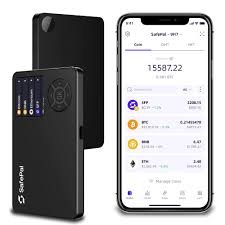
Hardware Wallet Recovery – Regain Access to Crypto from Lost, BrokeHardware Wallet Recovery – Regain Access to Crypto from Lost, Broken or Locked Devices
Hardware wallets are designed to protect cryptocurrency private keys from many of the risks associated with ordinary online wallets. However, even a secure hardware wallet can become inaccessible when the device is lost, damaged, reset, locked, or affected by a forgotten PIN.
Hardware wallet recovery is therefore an important subject for cryptocurrency owners who need to determine whether they can restore access to their wallet and what evidence is available if cryptocurrency has already moved.
A hardware wallet problem does not automatically mean that cryptocurrency has been lost.
In many situations, the most important recovery information is not the physical device itself but the wallet backup or recovery phrase associated with it. Trezor explains that its wallet backup contains the information required to recover a wallet and that it can be used after a device is lost, damaged, or reset. Ledger similarly explains that its recovery sheet contains the 24-word Secret Recovery Phrase used to regenerate the wallet’s accounts and addresses.
For that reason, effective hardware wallet recovery begins by determining exactly what happened to the device, what backup information remains available, whether a passphrase was used, and whether the cryptocurrency is still at the expected addresses.
At CryptoReverseTransaction.com, the focus can be placed on understanding the technical circumstances, reviewing available blockchain evidence, and identifying realistic recovery or investigation pathways.
If you need to discuss a specific situation, you can use the CryptoReverseTransaction Case Consultation page without providing your recovery phrase or private keys.
What Is Hardware Wallet Recovery?
Hardware wallet recovery is the process of determining how access to cryptocurrency can be restored after a hardware wallet becomes unavailable or unusable.
Common situations include:
- Lost hardware wallet
- Stolen hardware wallet
- Broken screen
- Damaged USB connection
- Device that no longer powers on
- Forgotten PIN
- Factory reset
- Firmware-related access problem
- Lost wallet backup
- Lost recovery phrase
- Forgotten passphrase
- Wallet appearing empty after restoration
- Unauthorized transactions
- Cryptocurrency transferred from the wallet without permission
These scenarios are not identical.
For example, recovering a lost Ledger with a valid recovery phrase is fundamentally different from investigating Bitcoin that was transferred from a Ledger months ago.
Likewise, a broken Trezor with an intact wallet backup is different from an inaccessible Trezor where the backup has permanently disappeared.
A good hardware wallet recovery assessment therefore starts by identifying the exact problem rather than assuming that one recovery technique applies to every situation.
The Most Important Part of Hardware Wallet Recovery: Your Wallet Backup
For many self-custody wallets, the recovery phrase or wallet backup is the primary method of restoring access.
Trezor currently refers to its recovery information as a wallet backup. Depending on the device and backup standard, users may encounter different backup formats, including BIP39 and SLIP39. Trezor documents 12-, 20-, and 24-word backup configurations for different devices and standards.
Ledger commonly uses a 24-word Secret Recovery Phrase. Ledger explains that this phrase can regenerate the wallet’s accounts and addresses when used to restore the wallet.
This leads to an important principle:
A lost hardware device does not necessarily mean a lost cryptocurrency wallet if the correct recovery backup remains securely available.
That is one of the central ideas behind hardware wallet recovery.
Hardware Wallet Recovery With a Valid Recovery Phrase
Suppose you own a hardware wallet containing Bitcoin and the physical device stops working.
If you still possess the correct recovery information, the situation may be considerably more manageable.
A compatible replacement device can potentially restore the existing wallet.
Trezor’s official recovery documentation explains that a new or wiped device can be used to restore an existing wallet through the wallet backup.
Ledger similarly explains that its recovery phrase can be used to restore access to the wallet if the physical hardware is lost or damaged.
Therefore, one of the first questions in a hardware wallet recovery case should always be:
Do you still have the correct recovery backup?
If the answer is yes, the physical device may not be the primary obstacle.
Hardware Wallet Recovery When the Device Is Lost
Losing a Ledger, Trezor, or another hardware wallet can be frightening, but the device itself is not the cryptocurrency.
The blockchain maintains transaction and address information independently of the physical hardware.
The hardware wallet protects the credentials needed to authorize transactions.
If the wallet backup is available and secure, the owner may be able to restore the wallet on compatible hardware.
However, if the hardware device and wallet backup are both unavailable, the circumstances become much more serious.
Trezor explicitly explains that if a wallet backup is lost and the wallet is also inaccessible, Trezor cannot recover the wallet because it does not possess the user’s backup.
That limitation is important for anyone researching hardware wallet recovery because it prevents unrealistic expectations.
Hardware Wallet Recovery for a Broken Device
A broken hardware wallet can have several different problems.
The device may have:
- A damaged screen
- Broken buttons
- A damaged USB connection
- Water damage
- Physical impact
- Internal component failure
- Battery or power problems
- Firmware problems
The appropriate response depends on the damage.
A broken screen, for example, does not necessarily mean that the wallet itself is lost.
If the recovery backup exists, replacing the device may be sufficient.
If the backup does not exist, the situation requires considerably more caution.
Before attempting physical repairs, preserve the device and document its condition.
Avoid repeatedly opening, modifying, or experimenting with damaged hardware containing valuable cryptocurrency.
For hardware wallet recovery, preservation is often more important than immediately attempting a repair.
Hardware Wallet Recovery After a Factory Reset
A factory reset can make a wallet appear to have disappeared.
However, resetting the physical device is not the same thing as deleting cryptocurrency from a blockchain.
If the correct wallet backup remains available, the wallet may be restored.
Trezor’s documentation specifically describes recovering an existing wallet on a new or wiped device using the wallet backup.
This means users should not assume:
Reset device = cryptocurrency permanently gone
Instead, determine whether the correct backup exists.
At the same time, do not intentionally wipe a functioning device unless you understand the consequences and have verified the backup.
Trezor recommends checking a wallet backup before wiping a device or performing certain firmware updates.
Hardware Wallet Recovery When You Forgot Your PIN
A forgotten PIN is another common reason people search for hardware wallet recovery.
The correct procedure depends on the hardware-wallet manufacturer.
For Ledger, the company explains that three incorrect PIN attempts cause the device to reset. The accounts can then be restored using the Secret Recovery Phrase.
For Trezor, official documentation explains that users who are locked out because they forgot the PIN may need to wipe or factory-reset the device before recovering the wallet using the wallet backup.
The important lesson is:
Do not assume that PIN recovery means bypassing the device’s security.
In many cases, legitimate restoration using the backup is the appropriate pathway.
Can Hardware Wallet Recovery Work Without the Seed or Backup?
This is one of the most important questions in cryptocurrency recovery.
The answer depends heavily on the circumstances.
If the device still works and the owner can access the wallet, there may be an opportunity to secure the assets before access is lost.
If the device is inaccessible and the recovery backup has been permanently lost, the situation is much more difficult.
Trezor states that when a wallet is inaccessible and the wallet backup has been lost, access cannot be restored by Trezor because self-custody means the user controls the wallet backup.
Therefore, responsible hardware wallet recovery should never promise that a missing backup can always be reconstructed.
Hardware Wallet Recovery When the Device Still Works but the Backup Is Missing
Consider this scenario:
You still have your hardware wallet.
You know the PIN.
The wallet opens normally.
Your cryptocurrency is visible.
But you cannot find the recovery phrase.
This is an urgent security situation.
The user should avoid unnecessarily resetting the device.
Instead, the immediate objective may be to secure the cryptocurrency using a new wallet with a properly protected backup.
Trezor specifically recommends moving funds to another wallet with a known wallet backup when the existing wallet remains accessible but the backup has been lost.
This illustrates an important difference between:
Recovering a wallet
and
Preventing future loss of access.
Good hardware wallet recovery guidance should address both.
Hardware Wallet Recovery and the Recovery Phrase Security Rule
Never provide your recovery phrase to:
- A recovery company
- A social-media account
- A Telegram user
- A WhatsApp contact
- An exchange employee who contacts you unexpectedly
- A supposed blockchain investigator
- A website asking you to “validate” the wallet
- A person claiming to be technical support
Trezor explicitly states that it will never ask users for their wallet backup and warns against entering it anywhere unless instructed directly by the physical device.
Ledger likewise emphasizes protecting the Secret Recovery Phrase because anyone with access to it can potentially access the associated crypto.
This rule is fundamental to hardware wallet recovery.
Hardware Wallet Recovery and Digital Copies of Recovery Phrases
Avoid creating digital copies of recovery information.
That includes:
- Screenshots
- Phone photographs
- Email drafts
- Cloud storage
- Messaging applications
- Notes applications
- Unencrypted computer files
Trezor specifically advises against digital copies of wallet backups.
The purpose of a hardware wallet is to reduce exposure of sensitive wallet credentials.
Turning the recovery phrase into a digital file can create another attack surface.
Hardware Wallet Recovery for Ledger
Ledger users should establish the following information:
- Exact Ledger model
- Whether the device powers on
- Whether the screen works
- Whether the PIN is known
- Whether the recovery phrase exists
- Whether an additional passphrase was used
- Which accounts were used
- Whether transactions were authorized
- Whether unauthorized transactions occurred
Ledger’s official PIN guidance confirms that three incorrect PIN entries reset the device and that the Secret Recovery Phrase is then needed for recovery.
For a detailed device-specific investigation, use official Ledger resources rather than unofficial websites claiming to bypass security.
Hardware Wallet Recovery for Trezor
Trezor’s current terminology is useful to understand.
The company now generally calls the recovery seed a wallet backup.
Trezor documents BIP39 and SLIP39 backup formats and explains that the exact backup configuration depends on the device and setup.
For example, current Trezor documentation explains that Single-share Backup uses a 20-word SLIP39 backup on supported devices, while older BIP39 configurations may use 12 or 24 words.
This matters because an investigation should not assume that every Trezor wallet uses exactly the same backup format.
Hardware Wallet Recovery When the Restored Wallet Appears Empty
One of the most confusing situations occurs after successful restoration.
The user enters the correct-looking recovery information.
The wallet opens.
The balance appears to be zero.
Does that mean the funds are gone?
Not necessarily.
Several possibilities should be investigated:
1. Wrong recovery backup
The backup may belong to another wallet.
2. Wrong account
The cryptocurrency may have been held in another account.
3. Different blockchain
The asset may have existed on another network.
4. Passphrase
An additional passphrase may have created a different wallet configuration.
5. Previous transfer
The assets may have already been transferred.
6. Wallet configuration
The software may not initially be showing every expected account.
This is where blockchain verification becomes an important part of hardware wallet recovery.
Verify Wallet Addresses on the Blockchain
Do not rely only on the wallet interface.
If you know the public address associated with the wallet, the blockchain can be checked independently.
For Bitcoin, Mempool.space can be used to examine public blockchain activity.
For Ethereum, Etherscan provides transaction and address information.
Other networks have their own explorers.
The investigation can compare:
Known wallet address → historical transactions → current balance → outgoing transactions → destination addresses
This can help establish whether the problem is:
- Wallet access
- Incorrect restoration
- Missing account
- Unauthorized transaction
- Previous transfer
That distinction can save considerable confusion during hardware wallet recovery.
Hardware Wallet Recovery When Cryptocurrency Was Stolen
If a hardware wallet was compromised and cryptocurrency moved without authorization, the case changes from simple wallet restoration to blockchain investigation.
Suppose a Ledger contained BTC.
An unauthorized transaction moved the BTC to another address.
Restoring the Ledger will not automatically reverse that transaction.
Instead, the investigation should identify:
- The original wallet address
- The unauthorized transaction
- Transaction hash
- Amount transferred
- Receiving address
- Subsequent transactions
- Any swaps
- Any cross-chain movements
- Any identifiable exchange-associated destinations
The FBI recommends preserving transaction hashes, wallet addresses, cryptocurrency type, amounts, and transaction dates when reporting cryptocurrency fraud.
This makes blockchain evidence a critical component of hardware wallet recovery when theft is involved.
Hardware Wallet Recovery and Blockchain Tracing
Blockchain tracing does not mean that a transaction can simply be reversed.
Instead, tracing follows publicly observable movements.
For example:
Hardware wallet → receiving wallet → second wallet → decentralized exchange → stablecoin → another blockchain → exchange-associated address
The exact route will depend on the blockchain and transactions.
Investigators can document the observable path while distinguishing transaction evidence from assumptions about who controls an address.
This is particularly important when preparing evidence for reporting or legal review.
Hardware Wallet Recovery and Decentralized Exchanges
Stolen cryptocurrency may not travel directly to a centralized exchange.
It may first pass through a decentralized exchange or another protocol.
For example:
BTC → wallet movement → wrapped asset → decentralized exchange → USDT → another address
Or:
ETH → token swap → bridge → another blockchain → stablecoin
This makes modern hardware wallet recovery more complex than simply searching for one receiving address.
A complete investigation may need to follow:
- Token swaps
- Contract interactions
- Bridges
- Multiple wallets
- Stablecoins
- DEX transactions
- Cross-chain movements
Hardware Wallet Recovery and Exchange-Associated Addresses
Sometimes stolen funds eventually reach an address associated with a centralized exchange.
This may be useful evidence.
However, an exchange-associated destination does not automatically mean that the exchange will freeze or return the funds.
The FBI explicitly warns that private recovery companies cannot issue seizure orders and that exchanges freeze accounts through internal processes or legal processes.
Therefore, hardware wallet recovery should distinguish:
Identifying an exchange-associated address
from
Successfully freezing or recovering the funds.
Those are different events.
Hardware Wallet Recovery and Evidence Preservation
If you believe your wallet was compromised, preserve evidence immediately.
Save:
- Transaction hashes
- Wallet addresses
- Screenshots
- Exchange records
- Emails
- Telegram conversations
- WhatsApp conversations
- Social-media messages
- Website URLs
- Scam advertisements
- Payment receipts
- Dates and times
- Device information
Do not delete communications simply because they appear embarrassing or fraudulent.
They may help establish the timeline.
A useful timeline could look like:
June 3: User connected wallet to website.
June 3: Token approval occurred.
June 4: Unauthorized transfer occurred.
June 4: Funds moved to another wallet.
June 5: Assets were swapped.
June 5: Funds reached an exchange-associated address.
A timeline like this can make hardware wallet recovery and blockchain investigation much easier to understand.
Hardware Wallet Recovery After a Phishing Attack
A hardware wallet does not automatically protect users from every form of social engineering.
A user can still be tricked into:
- Approving a malicious transaction
- Signing a malicious contract interaction
- Revealing a recovery phrase
- Installing malicious software
- Entering credentials into a phishing website
If a recovery phrase itself was exposed, the problem becomes much more serious because an attacker may be able to recreate the wallet elsewhere.
If only a transaction was improperly authorized, the investigation may instead focus on the transaction and the mechanism used.
These distinctions are important when determining the correct hardware wallet recovery pathway.
Hardware Wallet Recovery After a Malicious Approval
A malicious token approval can allow another contract or address to interact with tokens depending on the approval mechanism and blockchain.
In this situation, the physical hardware wallet may still be functioning correctly.
The problem is that the user authorized an unwanted blockchain action.
The response can include:
- Identifying the approval
- Determining whether tokens were subsequently moved
- Revoking relevant permissions where appropriate
- Securing remaining assets
- Tracing unauthorized transactions
- Preserving evidence
The hardware itself may not require recovery.
This is why hardware wallet recovery should not be treated as synonymous with “broken device repair.”
Hardware Wallet Recovery and Passphrases
An additional passphrase can create a different wallet configuration.
This can cause confusion when a recovery phrase appears correct but expected accounts do not appear.
When investigating an apparently empty restored wallet, ask:
- Was an additional passphrase used?
- Was it typed manually?
- Was it stored somewhere?
- Was a hidden wallet used?
- Are the expected public addresses known?
A passphrase should never be sent to a third party.
If it has been forgotten, there is no universal recovery mechanism that simply reveals the original secret.
Hardware Wallet Recovery and Hardware Damage
What if the device will not turn on?
First determine whether a valid recovery backup exists.
If the backup exists
A replacement-device restoration may be possible.
If the backup does not exist
The technical situation becomes substantially more difficult.
If the device contains important evidence
Preserve it rather than repeatedly attempting risky repairs.
If the cryptocurrency was already transferred
Focus on blockchain evidence rather than assuming that repairing the device will recover the assets.
This structured approach makes hardware wallet recovery more realistic.
Can Private Keys Be Extracted From a Broken Hardware Wallet?
Claims that private keys can always be extracted from damaged hardware should be treated cautiously.
Modern hardware wallets are specifically designed to protect sensitive cryptographic material.
A damaged device does not automatically become an easy source of private keys.
Physical forensic work may sometimes be technically relevant, but the feasibility depends on the exact device, security architecture, damage, and information available.
There is no universal extraction method that guarantees recovery from every hardware wallet.
Therefore, legitimate hardware wallet recovery should never promise a fixed success percentage for damaged devices without case-specific evidence.
Hardware Wallet Recovery and Professional Investigation
A professional case review can be useful when the situation involves multiple technical issues.
For example:
A Trezor stopped working, the user cannot remember whether a passphrase was used, and blockchain records show that the expected Bitcoin may have moved months earlier.
This is not simply a broken-device problem.
It combines:
- Device analysis
- Wallet configuration
- Backup investigation
- Blockchain analysis
- Transaction tracing
- Evidence preservation
Likewise, a Ledger that appears empty after restoration may require address and transaction verification before anyone can determine what happened.
What Information Can Be Safely Shared?
For an initial hardware wallet recovery assessment, useful information can include:
Device information
- Manufacturer
- Model
- Approximate age
- Physical condition
Access information
- Whether the device powers on
- Whether the PIN is known
- Whether the recovery backup exists
- Whether a passphrase was used
Blockchain information
- Public address
- Transaction hash
- Blockchain
- Cryptocurrency
- Approximate amount
- Transaction date
Incident information
- What happened
- When it happened
- Whether funds moved without authorization
- Whether an exchange was involved
Do not provide:
- Recovery phrase
- Private key
- PIN
- Passphrase
- Password
- Two-factor authentication code
Hardware Wallet Recovery and Scam Prevention
People looking for cryptocurrency recovery assistance can become victims a second time.
The FBI has warned about fraudulent recovery companies that contact victims and promise to recover stolen cryptocurrency, sometimes requesting upfront payments or additional fees.
The FBI also explains that private-sector recovery companies cannot issue seizure orders.
Therefore, be cautious if anyone says:
“We have already frozen the scammer’s wallet.”
or:
“The exchange has your money, but you need to pay a release fee.”
or:
“Send your recovery phrase and we will extract the funds.”
or:
“Pay us first and law enforcement will release the cryptocurrency.”
These statements should be treated as serious warning signs.
Hardware Wallet Recovery and Official Support
Whenever possible, begin with the hardware manufacturer’s official resources.
For Ledger users, use Ledger’s official website.
For Trezor users, use Trezor’s official support resources.
Official resources can help distinguish:
- Normal device behavior
- PIN procedures
- Recovery procedures
- Firmware procedures
- Supported devices
- Official security warnings
Do not use search advertisements or unsolicited support contacts as your only source of information.
Hardware Wallet Recovery and Ledger Recovery Solutions
Ledger now offers several recovery-related products and services, but these should not be confused with third-party cryptocurrency recovery.
Ledger’s current Recovery Key product is designed for compatible Ledger Stax and Ledger Flex devices.
Ledger also describes Ledger Recover as an optional service that uses encrypted fragments to provide a backup mechanism for eligible users.
These are manufacturer-provided recovery solutions and should be considered separately from a third-party hardware wallet recovery investigation.
Always verify current device eligibility and product terms directly with Ledger.
Hardware Wallet Recovery and Trezor Backup Types
Trezor’s newer backup system also demonstrates why exact wallet configuration matters.
Trezor documents:
- BIP39 backups
- SLIP39 backups
- Single-share backups
- Multi-share backups
Its documentation explains that Single-share Backup uses a 20-word SLIP39 format on supported devices, while Multi-share Backup can divide recovery information into multiple shares.
A hardware wallet recovery investigation should therefore establish the exact backup type rather than simply asking:
“Do you have your seed?”
The format matters.
Hardware Wallet Recovery With Multi-Share Backup
Multi-share backup systems introduce another recovery consideration.
Trezor explains that Multi-share Backup allows recovery using multiple shares and that the recovery process is performed directly on the Trezor device.
Importantly, Trezor warns users not to type recovery shares into a computer.
This is another example of why users should follow the manufacturer’s official device instructions rather than copying sensitive wallet information into websites or applications.
Hardware Wallet Recovery and Blockchain Verification
After restoration, verify that the wallet addresses correspond to the expected addresses.
For example, if you previously recorded a Bitcoin receiving address, compare it against the restored wallet.
If the address matches but the balance is different, examine the transaction history.
If the address does not match, investigate:
- Recovery phrase
- Account derivation
- Passphrase
- Wallet configuration
- Backup format
This is much more reliable than simply assuming that a zero balance means permanent loss.
Hardware Wallet Recovery When Funds Remain
If blockchain analysis shows that the cryptocurrency remains at an address controlled by the user, the problem may primarily be access.
That is potentially very different from a theft case.
For example:
Known wallet address → funds still present → device damaged
This is primarily a wallet-access problem.
By contrast:
Known wallet address → unauthorized outgoing transaction → unknown destination
is primarily a security and blockchain-investigation problem.
Understanding this distinction is central to effective hardware wallet recovery.
Hardware Wallet Recovery When Funds Have Moved
If the funds have already left the wallet, restoration of the hardware wallet alone may not solve the problem.
The next steps may include:
- Identify the first unauthorized transaction.
- Preserve the transaction hash.
- Identify the first receiving address.
- Follow subsequent movements.
- Identify swaps.
- Identify bridges.
- Identify exchange-associated destinations.
- Preserve evidence.
- Report the incident.
The blockchain trail can be valuable even when the physical hardware is no longer available.
Internal Resources for Hardware Wallet Recovery
If you are researching cryptocurrency recovery options, the CryptoReverseTransaction website provides several relevant resources.
You can learn more about the organization through About CryptoReverseTransaction.
For a direct case inquiry, use Case Consultation.
For general questions, use Contact CryptoReverseTransaction.
You can also review the site’s Success Stories and Testimonials pages as part of your own due diligence.
For privacy information, review Privacy Policy.
For contractual information, review Terms & Conditions.
Hardware Wallet Recovery: A Practical Step-by-Step Process
Step 1: Stop experimenting with the device
Do not repeatedly enter PIN guesses.
Do not wipe the device unless you understand the consequences.
Do not install unknown firmware.
Do not connect the device to suspicious computers.
Step 2: Identify the hardware wallet
Record:
- Ledger
- Trezor
- Other manufacturer
- Exact model
- Approximate purchase date
- Current condition
Step 3: Establish whether the backup exists
Determine whether you have:
- Ledger recovery phrase
- Trezor wallet backup
- BIP39 backup
- SLIP39 backup
- Multi-share backup
- Other supported recovery mechanism
Never upload it to the internet.
Step 4: Determine whether a passphrase was used
A passphrase can result in a different wallet configuration.
Do not assume that the standard wallet is the only wallet that ever existed.
Step 5: Record public addresses
If you previously recorded wallet addresses, keep them available for blockchain verification.
Public addresses are different from private keys and recovery phrases.
Step 6: Check the blockchain
Use the appropriate explorer for the network.
For Bitcoin, Mempool.space can be useful.
For Ethereum, Etherscan can be useful.
Step 7: Determine whether the funds moved
If the funds remain at the expected address, the problem may be access.
If the funds moved without authorization, begin documenting the transaction trail.
Step 8: Preserve evidence
Save transaction hashes, communications, screenshots, website addresses, exchange records, and relevant dates.
Step 9: Avoid secondary recovery scams
Never send money or sensitive credentials to an unsolicited recovery provider.
The FBI specifically recommends caution with companies making cryptocurrency recovery promises.
Step 10: Secure the wallet after recovery
If the recovery phrase or private credentials have been exposed, consider the wallet compromised and follow an appropriate asset-migration strategy.
Hardware Wallet Recovery Checklist
Device
- Manufacturer identified
- Exact model identified
- Device condition documented
- PIN status established
- Device reset status established
Backup
- Recovery phrase or wallet backup located
- Backup format identified
- Backup kept offline
- Backup never shared
- Backup not stored digitally
Wallet configuration
- Accounts identified
- Passphrase considered
- Expected addresses documented
- Correct blockchain identified
Blockchain
- Public addresses checked
- Transaction history reviewed
- Unauthorized transactions identified
- Transaction hashes preserved
- Destination addresses documented
Security
- No recovery phrase sent online
- No private key shared
- No suspicious software installed
- Official manufacturer resources used
- Recovery scams avoided
Frequently Asked Questions About Hardware Wallet Recovery
Can I recover crypto if my hardware wallet is lost?
Potentially, if you still have the correct wallet backup or recovery phrase and can restore the wallet using compatible hardware.
Trezor specifically describes using a wallet backup to restore an existing wallet after device loss or damage.
Can I recover a Ledger if I forgot the PIN?
Ledger explains that three incorrect PIN attempts reset the device and that the Secret Recovery Phrase can then be used to restore the accounts.
Can I recover a Trezor after forgetting the PIN?
Trezor’s official recovery instructions explain that a locked device may need to be wiped or factory-reset before the wallet is restored using the wallet backup.
What if my hardware wallet is broken but I have the recovery phrase?
The physical device may be replaceable because the recovery phrase can potentially restore the wallet on compatible hardware.
What if I lost my recovery phrase but the hardware wallet still works?
Treat the situation as urgent. If you still control the wallet, consider securing the assets with a new wallet and a properly protected backup rather than waiting until the device fails.
Trezor recommends moving funds to another wallet with a known backup when an accessible wallet’s backup has been lost.
Can a recovery company recover my seed phrase?
A legitimate service should not require you to disclose your recovery phrase.
The recovery phrase is itself sensitive wallet-control information.
Trezor explicitly says it will never ask users for their wallet backup.
Can a broken hardware wallet’s private keys always be extracted?
No. A broken device does not automatically mean that private keys can be extracted.
Feasibility depends on the exact hardware, security architecture, damage, and available information.
Can hardware wallet recovery reverse a Bitcoin transaction?
Restoring a hardware wallet does not itself reverse a confirmed blockchain transaction.
If cryptocurrency was stolen, the case may instead require blockchain tracing, evidence preservation, reporting, and potentially legal or exchange processes.
Can an exchange freeze stolen cryptocurrency?
An exchange may have internal procedures or respond to appropriate legal processes, but a private recovery company cannot independently order an exchange to freeze an account. The FBI explicitly warns about this limitation.
What information should I give a recovery company?
For an initial assessment, provide non-secret information such as the device model, public wallet address, transaction hash, blockchain, approximate amount, and description of what happened.
Never provide your recovery phrase, private key, PIN, passphrase, or authentication codes.
Final Thoughts on Hardware Wallet Recovery
Hardware wallet recovery should begin with evidence, not promises.
A lost or damaged Ledger or Trezor does not automatically mean that cryptocurrency has disappeared. When the correct wallet backup remains available, restoring access to an existing wallet may be possible on compatible hardware. Trezor’s official documentation specifically describes wallet restoration after loss, damage, or reset.
A different situation exists when the recovery backup is missing.
If the wallet remains accessible, the priority may be securing the cryptocurrency before access is lost. If both the device and backup are inaccessible, recovery can become permanently impossible in a self-custody environment.
When cryptocurrency has already been transferred without authorization, the objective changes again. Hardware wallet recovery may then involve blockchain investigation, transaction tracing, evidence preservation, exchange identification, and reporting rather than simply repairing or replacing the physical device.
The most responsible process is:
Identify the device → preserve the hardware → protect the recovery backup → establish the wallet configuration → verify public addresses → examine blockchain activity → determine whether funds remain → trace unauthorized transfers when necessary → preserve evidence → avoid recovery scams → restore access through legitimate procedures → secure the assets afterward.
For a case-specific assessment, visit CryptoReverseTransaction’s Case Consultation page or Contact CryptoReverseTransaction.
Advanced Hardware Wallet Recovery, Security, Tracing & What to Do After Access Is Restored
Hardware wallet recovery does not always end when a device is unlocked. In more complicated cases, the central question is not simply whether a device turns on, but whether the original wallet credentials, backup information, account configuration, and blockchain access can still be established safely.
The original article introduced the most common hardware wallet recovery situations, including lost devices, forgotten PINs, damaged hardware, missing backups, and wallets that remain accessible but are difficult to manage. The next stage is understanding what happens when the situation involves incomplete information, an exposed recovery phrase, an unfamiliar balance, a passphrase, multiple accounts, or cryptocurrency that has already moved.
The most important principle throughout hardware wallet recovery is simple: recover existing wallet information rather than attempting to manufacture information that never existed. A legitimate investigation should determine what remains available, what can be independently verified, and what limitations apply.
Hardware Wallet Recovery When the Device Still Works
One of the most favorable situations for hardware wallet recovery is when the physical device still works and the owner can unlock it.
If you know the device PIN and can access the wallet, the immediate objective should generally be to establish control over the assets and create a secure backup strategy.
If the recovery phrase has been lost, this situation deserves particular attention. Trezor’s official guidance states that when a wallet is accessible but its backup has been lost, the recommended approach is to move the funds to another wallet with a known backup as soon as possible. If the device later becomes inaccessible, the missing backup can prevent recovery.
That makes hardware wallet recovery partly a risk-management exercise.
Before resetting a working device:
- Confirm that you can access the wallet.
- Identify the cryptocurrency accounts that actually contain assets.
- Verify balances directly on the relevant blockchains.
- Confirm that you can authorize transactions.
- Prepare a new wallet with a properly secured backup.
- Transfer assets carefully.
- Confirm the receiving addresses and completed transactions.
- Only then consider resetting the old device.
This process is preferable to immediately resetting a device and discovering afterward that the original backup was unavailable.
For additional information about the company’s process and available assistance, users can review the CryptoReverseTransaction case consultation page or contact the team.
Hardware Wallet Recovery When the Device Is Lost
A lost hardware wallet does not automatically mean the cryptocurrency is lost.
The critical question is whether the wallet backup or recovery information remains available.
Trezor explains that its wallet backup contains the information required to restore access to the associated cryptocurrency wallet. Depending on the wallet and device configuration, backups may use BIP39 or SLIP39 formats. Current Trezor documentation describes 12- or 24-word BIP39 backups and 20-word SLIP39 backups, including single-share and multi-share configurations.
This distinction is essential.
Lost device + valid backup
A compatible replacement device may allow the wallet to be restored.
Lost device + no backup
The situation becomes substantially more difficult. A hardware wallet is not simply a container holding recoverable coins. It protects cryptographic credentials that control blockchain assets.
If the required private-key material and backup information are genuinely unavailable, there may be no technical method to recreate them.
This is why a professional hardware wallet recovery assessment should first establish exactly what information remains rather than immediately promising a recovery result.
Hardware Wallet Recovery When the Backup Has Missing or Incorrect Words
A partially damaged or incorrectly recorded backup creates a different type of problem.
For example, someone may have:
- 11 of 12 words,
- 23 of 24 words,
- a word that appears misspelled,
- words written in the wrong order,
- multiple possible words for one position,
- an incomplete SLIP39 share,
- or a backup whose format is unknown.
These circumstances should not be treated as equivalent.
Trezor’s official troubleshooting guidance specifically identifies incorrect word order and misspelled words as potential causes of failed wallet restoration. It also explains that different Trezor devices and backup standards have different recovery procedures.
A professional hardware wallet recovery assessment can therefore begin by determining:
- the exact hardware-wallet model;
- approximate setup date;
- backup format;
- number of words or shares available;
- whether a passphrase was used;
- whether the original device still exists;
- whether addresses from the original wallet are known;
- and whether the expected addresses can be identified on-chain.
Importantly, do not upload your complete recovery phrase to a website or send it through email, messaging apps, or social media.
Trezor explicitly warns users not to share their wallet backup and says not to keep digital copies such as screenshots, photographs, emails, or cloud-storage copies.
Hardware Wallet Recovery and Passphrase Problems
A recovery phrase may be correct while the wallet still appears empty.
One possible reason is an additional passphrase.
A passphrase can create a different wallet derived from the underlying backup. This means that restoring the basic recovery phrase without the correct additional passphrase may produce a wallet that looks legitimate but does not contain the expected assets.
This is one of the reasons hardware wallet recovery should include wallet-history verification rather than relying solely on what a wallet application displays.
If the original wallet contained Bitcoin, for example, investigators can compare known addresses with public blockchain information through resources such as Mempool.space.
For Ethereum and compatible networks, transaction and address information can be reviewed through Etherscan.
The objective is to determine whether the expected addresses and transaction history correspond to the wallet being restored.
If the balance is different from what was expected, the investigation should distinguish between:
- wrong wallet derivation;
- incorrect passphrase;
- wrong network;
- wrong account;
- unsupported asset display;
- incorrect address;
- or an actual unauthorized transfer.
That distinction can prevent unnecessary and potentially dangerous recovery attempts.
When Hardware Wallet Recovery Reveals an Empty Wallet
An empty wallet after restoration can be alarming.
However, an empty balance does not automatically mean the cryptocurrency disappeared.
Several explanations should be considered.
1. Wrong backup
The recovery phrase may belong to a different wallet.
2. Wrong derivation path
Some wallet applications use different derivation structures for different assets or account types.
3. Wrong passphrase
A valid recovery phrase with an incorrect passphrase can produce a different wallet.
4. Wrong network or account
The assets may exist on another supported network or account.
5. Funds were transferred
The original wallet may have experienced an outgoing transaction.
This is where blockchain verification becomes particularly important.
Rather than assuming that the funds are gone, preserve the original addresses and transaction information and examine the public ledger.
Hardware Wallet Recovery After Unauthorized Transactions
A different situation occurs when the wallet was accessible but cryptocurrency was transferred without authorization.
In that case, the task changes from simple wallet access recovery to blockchain transaction investigation.
The first priority is protecting whatever remains.
If the wallet’s credentials may have been exposed, continuing to use the same wallet can create additional risk. Depending on the circumstances, remaining assets may need to be moved to a newly generated wallet with a fresh backup.
For self-custodial wallets, transactions that have already been confirmed generally cannot simply be reversed by the wallet provider. Phantom’s official guidance, for example, states that confirmed blockchain transactions cannot be reversed or cancelled and warns users about people claiming that they can reverse confirmed transactions.
This distinction is important for anyone seeking hardware wallet recovery.
Access recovery and stolen-fund recovery are different investigations.
A successful restoration of the wallet does not automatically reverse a previous blockchain transaction.
Tracing Cryptocurrency After a Hardware Wallet Compromise
When unauthorized transfers have occurred, transaction tracing may help establish what happened after the original wallet was compromised.
A basic investigation can document:
- originating wallet address;
- transaction hash;
- blockchain network;
- timestamp;
- transferred asset;
- amount;
- destination address;
- subsequent transactions;
- intermediary addresses;
- contract interactions;
- swaps;
- bridges;
- and known exchange-associated destinations where identifiable.
For Bitcoin, transaction histories can be independently reviewed through public blockchain explorers such as Mempool.space.
For Ethereum transactions, Etherscan provides public transaction and address information.
For Solana assets, the transaction signature can be used to inspect activity through the relevant Solana ecosystem tools.
The purpose of this analysis is not to claim that a blockchain transaction can automatically be reversed. Instead, it can establish a documented transaction history that may be useful for reporting, escalation, legal processes, or communication with relevant service providers.
Hardware Wallet Recovery and Exchange Destinations
Sometimes stolen cryptocurrency eventually reaches a centralized exchange or other identifiable service.
This does not mean that a private recovery company can independently freeze the account.
An exchange controls its own platform according to its procedures and applicable legal requirements. Any action involving an account or funds depends on the circumstances and the exchange’s internal processes or applicable legal processes.
A useful investigation can nevertheless document the transaction path and identify a destination that appears associated with a particular service.
When contacting an exchange, use the exchange’s official website rather than a contact address supplied by a stranger.
The evidence package can include:
- transaction hashes;
- wallet addresses;
- screenshots;
- dates and times;
- asset type;
- network;
- amount;
- relevant account information;
- and a concise chronology.
This is much more useful than simply telling an exchange that cryptocurrency was stolen.
Hardware Wallet Recovery and Cross-Chain Transfers
Modern cryptocurrency theft can become complicated when assets move between networks.
For example, an attacker may move assets from one blockchain into a decentralized exchange, swap them for another token, bridge them to another network, and then transfer them toward a centralized exchange.
That means the original transaction may represent only the beginning of the investigation.
A transaction investigation can therefore examine:
- The original unauthorized transaction.
- The receiving address.
- Subsequent transfers.
- Token swaps.
- Smart-contract interactions.
- Bridge transactions.
- New-chain destination addresses.
- Consolidation addresses.
- Potential service or exchange destinations.
This type of analysis is fundamentally different from simply searching for a wallet balance.
It creates a chronological picture of where the assets moved.
For anyone considering CryptoReverseTransaction’s case consultation, preserving the original transaction information before deleting accounts, resetting devices, or changing wallet applications can make the technical assessment much clearer.
What If the Hardware Wallet Itself Is Damaged?
Physical damage can range from a broken screen to a damaged connector or a completely nonfunctional device.
The appropriate approach depends on what information remains available.
If the original wallet backup is secure, physical damage to the device may be less important because the wallet can potentially be restored using compatible recovery procedures.
If the backup is missing, the situation is substantially more difficult.
The original draft supplied for this article describes chip-level extraction and specialized laboratory work as possible advanced techniques. However, the draft does not provide independent evidence establishing specific success rates, laboratory partnerships, or guaranteed results for such procedures. Therefore, those claims should not be presented as guaranteed capabilities.
A responsible hardware wallet recovery assessment should instead explain the uncertainty before any physical intervention takes place.
That includes discussing:
- whether the device should be opened;
- whether opening it could alter evidence;
- whether the device contains information that may actually be useful;
- whether a backup exists;
- whether the wallet can be independently identified;
- and what the risks and costs of physical work may be.
Hardware Wallet Recovery After a Factory Reset
A factory reset should never be treated casually.
If a hardware wallet has been reset and the original backup still exists, restoration may be possible.
If the wallet was reset and the original backup is permanently unavailable, the situation can become irreversible.
Trezor’s current documentation is explicit that if a wallet backup is lost and the device is subsequently wiped, lost, or damaged, the wallet may not be recoverable.
This is why users should not repeatedly reset or experiment with a hardware wallet when they are uncertain about the backup.
Before performing destructive actions, preserve:
- the device;
- existing backup materials;
- known addresses;
- transaction records;
- wallet software information;
- and any relevant account configuration.
Hardware Wallet Recovery for Trezor Users
Trezor’s current terminology uses wallet backup rather than recovery seed, although the concepts are closely related.
Depending on the device and configuration, Trezor supports BIP39 and SLIP39 backup formats. Its current documentation identifies 12- and 24-word BIP39 backups and 20-word SLIP39 backups, including Single-share and Multi-share configurations.
This matters when assessing a hardware wallet recovery case because the number of words alone does not always tell the complete story.
For example, a 20-word backup may represent a SLIP39 configuration rather than a traditional 12- or 24-word BIP39 backup.
If a Multi-share backup was used, recovery depends on having enough valid shares to satisfy the configured threshold.
Trezor’s documentation explains that if sufficient shares remain—for example, enough shares to meet a configured threshold—the wallet can still be recovered. If too many shares are permanently lost and the threshold can no longer be met, recovery may become impossible.
That is an important distinction between missing one piece of a backup and missing the minimum information required to reconstruct it.
Hardware Wallet Recovery for Ledger Users
Ledger devices similarly depend heavily on secure recovery information.
A forgotten PIN is not equivalent to a lost recovery phrase.
If a valid recovery phrase exists, the owner may have a path to restoring access even when the original device is unavailable or has been reset, provided the restoration method and asset are compatible.
If the recovery phrase has been exposed, however, simply changing the device PIN does not solve the underlying security problem.
The correct response to suspected seed compromise is to treat the original wallet as potentially compromised and consider moving assets to a newly generated wallet.
Users should also be extremely cautious about websites or messages pretending to be Ledger support and asking for recovery information.
Never Send Your Recovery Phrase to a Recovery Company
This point deserves its own section because it is one of the biggest risks surrounding hardware wallet recovery.
Your recovery phrase is not ordinary customer information.
It is a credential that can provide control over the wallet.
Trezor explicitly says that users should not share their wallet backup and that Trezor support will not ask for it.
The same principle should guide interactions with third-party services.
A company asking you to type your complete seed phrase into an online form should be treated with extreme caution.
Likewise, be suspicious of anyone requesting:
- private keys;
- seed phrases;
- wallet passwords;
- screenshots containing secret information;
- remote-control access to your computer;
- or payment in cryptocurrency before explaining what can realistically be done.
Phantom similarly warns users that recovery scammers often target people who have already lost cryptocurrency.
For more information about how CryptoReverseTransaction approaches user information, review the Privacy Policy and Terms & Conditions.
Hardware Wallet Recovery Scams: What to Watch For
Unfortunately, the recovery process itself can become another scam opportunity.
A person who has already lost cryptocurrency may be particularly vulnerable to someone promising that the funds are “already located” or “about to be released.”
Warning signs include:
- guaranteed recovery;
- guaranteed percentage success;
- guaranteed exchange freezes;
- claims of direct law-enforcement authority;
- requests for cryptocurrency to “unlock” recovered funds;
- demands for taxes before releasing recovered assets;
- requests for your recovery phrase;
- fake government documents;
- fake exchange employees;
- or claims that blockchain transactions can simply be reversed.
The FBI has specifically warned about cryptocurrency recovery scams and companies falsely claiming they can recover funds or exercise authority that private recovery companies do not possess.
This is why an honest hardware wallet recovery process should distinguish between technical investigation, blockchain tracing, reporting assistance, and actual recovery of assets.
Evidence Preservation for a Hardware Wallet Recovery Investigation
If you believe your hardware wallet has been compromised, do not immediately delete everything associated with it.
Preserve evidence such as:
Wallet information
- Public addresses
- Account names
- Wallet application information
- Device model
- Known derivation information where available
Transaction information
- Transaction hashes
- Blockchain network
- Amounts
- Dates and times
- Destination addresses
Communication evidence
- Emails
- Messages
- Scam websites
- Telegram or WhatsApp conversations
- Screenshots
- Payment requests
Device evidence
- Hardware wallet
- Original packaging where relevant
- Backup cards
- Written documentation
- Computer or phone used to manage the wallet
This material can help establish a chronological record.
For a detailed review of your circumstances, you can use the CryptoReverseTransaction contact page.
A Practical Hardware Wallet Recovery Checklist
Before beginning a recovery investigation, document the following:
Device
- What manufacturer made the device?
- What model is it?
- Does it power on?
- Is the screen functional?
- Does it connect to the computer?
Access
- Do you know the PIN?
- Is the device locked?
- Has it been reset?
- Was a passphrase used?
Backup
- Do you have the recovery phrase?
- Is it complete?
- Is the order correct?
- Could it be BIP39 or SLIP39?
- Are multiple shares involved?
Blockchain
- Do you know the public address?
- What asset was stored?
- Which network was involved?
- What was the last confirmed balance?
- Are there unexpected outgoing transactions?
Security
- Has the recovery phrase ever been photographed?
- Was it entered into a website?
- Did anyone remotely access the computer?
- Did you connect the wallet to an unfamiliar application?
This information can substantially improve the quality of a technical assessment.
Frequently Asked Questions About Hardware Wallet Recovery
Can hardware wallet recovery work without the device?
Sometimes, depending on what backup or cryptographic information remains.
If a valid wallet backup exists, the original physical device may not be necessary for restoring the wallet on compatible hardware or software. Trezor specifically explains that its wallet backup is intended to restore access when a device is lost, damaged, or reset.
If both the device and required backup information are permanently unavailable, however, there may be no technical recovery route.
Can hardware wallet recovery work without the recovery phrase?
It depends entirely on what remains accessible.
A working device that can still be unlocked may allow the owner to transfer assets to a newly created wallet.
A damaged device with no backup is a much more difficult situation.
A lost device with no backup is generally not something that can simply be solved by guessing the private key.
Can a forgotten PIN be bypassed?
The answer depends on the specific device, its security architecture, its state, and whether a valid backup exists.
A professional assessment should identify the exact model before suggesting any technical procedure.
What if my wallet is empty after restoration?
Do not immediately assume that the cryptocurrency is gone.
Check:
- the recovery phrase;
- account;
- network;
- derivation;
- passphrase;
- and known blockchain addresses.
Then compare the expected addresses with public blockchain records.
Can stolen cryptocurrency be reversed?
A confirmed blockchain transaction generally cannot simply be cancelled.
For example, Phantom states that confirmed transactions cannot be reversed or cancelled.
However, transaction tracing, reporting, and escalation may still be relevant depending on the circumstances.
Should I send my hardware wallet to someone?
Not automatically.
Remote guidance may be preferable when the issue can be resolved using a legitimate backup and standard restoration process.
If physical examination becomes necessary, the risks, custody arrangements, costs, and limitations should be clearly explained beforehand.
Should I send my recovery phrase to CryptoReverseTransaction?
Your recovery phrase should remain under your control. Trezor’s official guidance is that wallet backups should not be shared with anyone.
A recovery process should therefore avoid unnecessarily transferring your most sensitive wallet credential to a third party.
How to Start a Hardware Wallet Recovery Assessment
If you have lost access to a Ledger, Trezor, or another hardware wallet, the first step should be establishing exactly what remains available.
You can begin by visiting the CryptoReverseTransaction homepage to understand the available services, then use the case consultation page to provide the relevant circumstances.
You can also review the company’s About Us page to understand the organization before sharing case information.
The initial assessment should focus on facts:
- device model;
- device condition;
- backup availability;
- PIN availability;
- passphrase use;
- known wallet addresses;
- transaction history;
- and whether unauthorized transfers occurred.
Avoid sending secret credentials merely to describe the problem.
Final Thoughts on Hardware Wallet Recovery
Hardware wallet recovery is ultimately about determining whether the information required to control a cryptocurrency wallet still exists and whether that information can be used safely.
A lost or damaged hardware device does not necessarily mean that cryptocurrency is permanently lost. A valid wallet backup can often be the critical recovery mechanism. Trezor’s documentation emphasizes that the wallet backup contains the information necessary to recover access to the associated wallet.
At the same time, hardware wallet recovery has genuine technical limits.
If the device is gone, the backup is gone, the private-key material cannot be reconstructed, and no usable wallet configuration remains, there may be no legitimate technical method to recreate access.
Likewise, if cryptocurrency has already been transferred through a confirmed blockchain transaction, restoring the original wallet does not automatically reverse the transaction.
The appropriate response is therefore to separate the problem into its components:
Wallet access → backup verification → blockchain verification → security assessment → transaction tracing → reporting or escalation.
That approach provides a more realistic foundation for dealing with lost, damaged, locked, or compromised hardware wallets.
If you need to discuss a specific situation, you can begin through the CryptoReverseTransaction case consultation page or contact the team directly. For additional background, you can also review the site’s Success Stories and Testimonials, while independently evaluating any claims and keeping your recovery credentials private.
Most importantly: never give your seed phrase, private key, or wallet backup to someone simply because they claim they can recover your cryptocurrency. Secure the evidence, verify what remains, and use documented technical and reporting pathways wherever appropriate.